AppWorks Accelerator’s first-ever online Startup Showcase unveils 20 rising startups across Greater Southeast Asia (TW+SEA)

From November 19th to December 1st 2020, AppWorks Accelerator launched its first ever online Startup Showcase, featuring 20 of the most promising early-stage startups across Greater Southeast Asia (TW-SEA). We specifically curated teams with traction and interest in Southeast Asia to showcase how they’re leveraging digital technologies to tackle deeply rooted pain points in key markets across the region including Indonesia, Vietnam, The Philippines, Singapore, Hong Kong, and Taiwan. 

A great founder can come from all walks of life, and that’s clearly reflected in the diversity of our showcase. There are over 10 nationalities represented among the 20 pitching teams, of which 30% have at least one female co-founder. More than half of the founders have started at least one venture before, with some having exited to companies like Yahoo and Societe Generale Group, while others boasting prior experiences in leading tech companies such as LinkedIn, Google, Microsoft, and Lazada.

List of showcasing teams

Moladin, founded by Jovin Hoon and Mario Tanamas, empowers automotive sales agents in Indonesia to sell better and faster through their mobile-first marketplace. In 2019, they sold over 4,300 vehicles and generated $7.3M in GMV, and are looking to hit $12M in annualized transactions by the end of this year. 

Active Markets: ID

AyoBlajar, founded by co-founders Fariz Isnaini and Audy Laksmana, is focused on solving the deeply rooted inefficiencies in Indonesia’s education system through an e-learning app. Since launching in September they already have over 17,000 downloads.

Active Markets: ID

Astra, based in TW and founded by Gary Kao, is tackling the challenge of workforce productivity in Indonesia by using facial recognition to help organizations seamlessly manage part-time and remote employees. Their solution has been rolled out at Pondok Indah Mall and Pondok Indah Golf Course, collectively managing 3,000 employees.

Active Markets: ID, TW, JP

Docosan, founded by two Harvard grads Beth Lopez and Natalia Hendrickson, allows patients in Vietnam to compare healthcare providers across a wide range of specialties, book appointments online 24/7, and manage their own health data. They now have over 100 active doctors on their platform and completed over 240 bookings since launching 7 months ago.

Active Markets: VN

Chip Chip is a Vietnam-based startup founded by Dung Ho, who’s now using his years of experience as a software developer to help Vietnamese children learn english from qualified Filipino teachers. Since starting last year, they’ve conducted over 6,000 classes for 2,000 students.

Active Markets: VN

Glints is a leading full-stack talent platform based in SG for professionals to connect, upskill, and get matched with employers across GSEA. The company has raised over $12M and active in 6 markets across the region with 400 people on staff. Fred Ng, country manager of HK and SG, will be showcasing on behalf of the company.

Active Markets: SG, HK, ID, VN, TW

Polymerize, based in SG and founded by serial entrepreneur Kunal Sandeep and Dr. Abhijit Salvekar who holds a PhD in materials science, strives to accelerate the discovery, formulation, and commercialization of polymers through machine learning. They’ve managed to launch a prototype and secure $12,000 in paid pilots within 6 months of inception. 

Active Markets: SG, JP, IN

Accredify, founded by Zheng Wei Quah, is a digital health passport that stores, displays and authenticates medical records securely through the use of blockchain. They’ve already managed to secure a partnership with Singapore’s Ministry of Health and are looking to penetrate markets like Vietnam and Thailand.

Active Markets: SG

ZumVet, founded by Athena Lee and Dr. Su Xiaoting, has created a televet solution for pet owners, providing them with services such as video consults, drug delivery, and digital health records at the touch of a button.The company has amassed over 500 users and 400 consultations since launching a year ago.

Active Markets: SG

Freehunter, based in HK and founded by Harris Cheng and Jerome Tse, is an AI-powered social network for creative talents, helping them generate more leads, exposure, connections, and collaborative opportunities. In the past 6 months, they’ve signed up over 700 subscribes and facilitated 600 matches. 

Active Markets: HK, TW, SG

Cognicept, based in SG founded by Michael Sayre, uses telerobotic intervention technology allowing robotics manufacturers and end-users to seamlessly inject a “human-in-the-loop” to resolve any errors or unknown protocols encountered by a robot. Since launching 1.5 years ago, they’ve already signed on companies like Savioke, Rapyuta Robotics, and Infinium Robotics as customers.

Active Markets: SG, US, JP 

Mighty Jaxx is a startup based in SG founded by Jackson Aw in 2015, who’s built up one of the world’s largest platforms to buy toys and art collectibles. They partner with leading brands such as Warner Bros, Marvel, and Disney to design pop culture collectibles, now set to ship 3 million units to collectors in over 60 countries this year. 

Active Markets: Global

SoopahGenius is based in TW and founded by Mike Calcagno, a former Microsoft executive who led the research and development of cortana. He’s now funneling his years of experience with AI into creating a product to help live streamers significantly decrease the time and cost of producing content from their raw materials.

Active Markets: US, MY

Poseidon Network is based in TW and founded by Light Lin, a serial entrepreneur with two successful exits under his belt. He’s now looking to create the world’s largest decentralized infrastructure by applying the concept of sharing economy to the unused resources latent within all of our digital devices whether its storage, bandwidth, or computing power.

Active Markets: TW, CN, MY

Workbean, founded by Kass Monzon and Neil Rojas, is an online platform that helps employers more effectively convey their culture and branding to prospective hires, with the aim of reducing the mismatch between companies and job seekers. They currently have over 15 companies using their platform, with 13,000 MAU and over 3,000 job clicks. 

Active Markets: PH

GoBuddy, based in HK and founded by Hong Yee Kow, Roy Yu, and CY Kwong, is an all-in-one tool for online sellers, combining an e-commerce platform with booking and ticketing management. After several iterations over the last year, the team has now amassed over 700 subscribers, facilitating over $40K in transactions and 700 bookings.

Active Markets: HK, MY

Growthspot is based in HK and founded by Randal Hung, who has over 10 years of experience in digital market and is all too familiar with challenges of SME online sellers when it comes to optimizing ad spend from FB and Google. He’s created a digital platform catering specifically to those sellers with limited resources and knowhow, having now acquired over 700 users across Asia.

Active Markets: HK, MY, TH, TW

Pitchspot, based in SG and founded by Ryan Chong and See Ting Goh, is an integrated workflow management and strategy planning canvas to enable innovative teams to work smarter, and faster. In the last 6 months, they managed to acquire over 5,400 active users and 600 paid users. 

Active Markets: TW, ID, KR, HK

Minastir is based in TW and founded by Thomas Jacobson and Michael Poulsen, who are now taking their combined 15 years of experience in prop trading and building AI/ML investment models to create an AI-based asset management solution for fund managers. They’re currently working with a client in South Korea, but are looking to target hedge fund managers globally. 

Active Markets: TW, KR

Aiello is based in TW and founded by Vic Shen, who worked on the development of Google Home and led the expansion of Google Assistant in Asia. He’s now taking his deep expertise in voice technologies to digitalize the hospitality industry through their IoT management and analytics solution Aiello SPOT. Currently, they’re working with a 4-star hotel in Taiwan, with plans to expand into SEA.

Active Markets: TW, CN

Fatster is based in TH and co-founded by Fabien Keller & Emmanuel Fauvel. Fabien sold his last startup to a major French bank and is now tackling the global problem of obesity. He’s created a mobile app that connects overweight people with other weight-loss buddies, while providing access to nutritional products & experts. Since launching earlier this year, they’ve acquired 20k users and logged 75k hours of activity.

Active Markets: FR, TH

A year to remember

It’s been a hectic year full of chaos and uncertainty. Widespread lockdowns and social distancing measures sent us fleeting into the confines of our own rooms, restricting physical interactions and forcing upon us a new normal characterized by seemingly endless Zoom fatigue. Nevertheless, we’ve proven that community is a concept that transcends far beyond physical limitations. Despite current travel restrictions, we still managed to attract some of the region’s most ambitious and bold entrepreneurs this past year, equipping them with an environment to learn from like-minded peers and mentors, both in-person and virtually through our hybrid offline-online program.
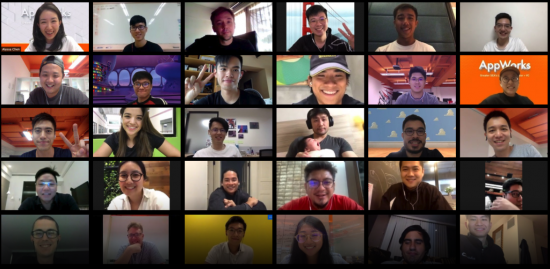
The ability to unveil their product/services and vocalize their passion to potential investors and partners after months of hard work is also a unique experience that we wanted to preserve by putting on the GSEA Startup Showcase. We understand that nothing can truly replicate the excitement of an in-person experience, but now with an online element, we hope to reach an even wider audience of our friends and partners in the startup community that normally wouldn’t be able to join us physically in Taipei. 

“COVID-19 has not only accelerated the importance of digital transformation, but also transformed the way entrepreneurs engage with the market, investors, and strategic partners. With the GSEA Startup Showcase, we hope to provide an efficient gateway for quality founders to connect with and learn from peers, collaborators, and partners, regardless of location. As the region’s leading ecosystem builder, we will continue to invest resources in fostering the regional startup community and delivering value to our founders,” say Jessica Liu, AppWorks Partner.

With the addition of startups recruited this year, there are now a total of 395 active startups and 1,331 founders in the AppWorks Ecosystem. Collectively, all companies produce a turnover of US$ 8B, an annual increase of 162% compared to the same time last year, and foster 17,359 employees, 73% more than the year prior. Altogether, the Ecosystem raised a total of US$ 2.36B, an annual increase of 140%, with an aggregate valuation reaching US$ 11B, growing 160% YoY.

【If you are a founder working on a startup in SEA, or working with AI / IoT, Blockchain / DeFi, apply to AppWorks Accelerator to join the largest founder community in Greater Southeast Asia.】


從短期接案到打造商業模式,創業者的四個策略思考

Alyssa Chen, Associate (陳敬旻 / 投資經理)

負責 Accelerator,喜歡陪伴創業者打造出屬於自己的火箭。來自台中,加入前任職於華山文創園區,負責台灣新銳文創品牌的營運招商與媒體合作。除關注設計藝文議題,也喜愛網路新創產業的活力。曾於 AppWorks 實習一年。畢業於政大德文系、政大國際傳播所。喜歡旅遊與花草,最愛亞洲食物。

AppWorks Accelerator 過去十年來累積的創業者社群中,共有 395 支活躍新創、超過 1,300 位創業者,在輔導早期創業者的過程中,我們經常會討論一個問題:到底該不該接受由大企業委託的專案?

對擁有不錯軟體開發能力,或是擅長數位行銷的創業者來說,在創業初期,不少人都會面對這樣的抉擇。因為在創業初期,公司正處於「求生存模式」(Survival Mode),不論是客戶數量、現金水位都還不夠,營運狀況也極度不穩定時,每一筆收入,都關乎這個時期的生存機率,創業者往往得要靠著接案,拿專案收入來維持公司營運。

但專案的內容,常常是高度客製化,可能是協助企業客戶開發一個新的數位應用服務,或是執行年度的行銷專案,新創在其中扮演的角色,比較像是外包商。不僅要與客戶內部的各單位密集開會,通常也得配合客戶的進度、交期,以及付款方式,以至於專案合作的進度變數極大。當忙得焦頭爛額的時候,常會不禁問自己:接受這個專案對創業來說,到底是走對路,還是瞎忙一場?

站在新創的立場,客觀地說,如果沒有富爸爸的資源挹注、靠自己白手起家的新創,在創業初期,有時也得經歷一陣接案期。這段時期,可以建立先行客戶 (Pilot Client) 案例,或者維持現金入帳,對這個時期的新創來說,接案這件事,並不是什麼萬惡之罪。但在過程中,創業者仍需把自己抽離出來,以比較客觀的角度,來檢視自己,到底是利用接案的彈性,讓自己度過過渡期、還是反而成為創業的干擾?

短期專案影響長期發展的 3 個現象

新創在 AppWorks Accelerator 進駐期間,我們會定期為創業者,安排與 AppWorks 合夥人或 Mentors 的 Office Hour,和創業者一起討論他們的商業模式,或是其他與創業相關的問題。參與過無數場 Office Hour,因為接案造成創業瓶頸的創業者,我觀察到一些常見情況:

1. 經過好幾個月的試驗,依然講不清楚自己產品與服務的 TA 到底是誰。

2. 好像變成特定企業客戶的工程團隊,所有資源都拿來優先服務這間企業客戶,反而拖累自己的產品開發時程。

3. 痴痴地等待某一個大客戶確認訂單、付款,使得自己背負著現金流壓力。

事實上,接受短期的專案,與長期建立可以 Scale Up 的商業模式,必定會有一定的衝突。例如,我曾經遇過不少創業者,一開始接到知名企業的案子,很開心和我們的分享業務開發的成果,也以此作為產品的成功案例,再去開發其他商業機會、參加創業競賽、向投資人募資。幾個月後,繼續跟我們分享又接到了幾個知名的企業的合作案。然而,又過了幾個月後,最終的結果,卻是他每天忙著和不同的客戶開會,把所有的開發資源都先挪給客戶的專案,期待完成後可以有一筆豐厚的營收進帳,客戶卻在最後一刻,因為內部規劃方向改變,整個案子腰斬,不僅沒收到錢,還損失了大把時間,而時間是創業者最珍貴的資源,背後有很高的機會成本,因為花了一、兩年全力開發的企業專案,很可能導致新創喪失其他更重要的市場機會。

4 個策略思考,從專案發展出 Scale up 的商業模式

以上都是真實案例,如果創業者發現自己符合上述一項、甚至多項描述的狀況,表示可能還沒有清楚的商業模式,並讓自己陷入不是很健康的接案模式。長期下來,這可能反而會耽誤開發自有產品、驗證市場的時間,模糊了自己的競爭力。所以我整理出四點建議,提供創業者參考、省思自己的狀態:

1. 北極星

你是否清楚公司最重要、最終想達到的「北極星」是什麼?你做的事情、花的時間,是否能幫助你離自己的「北極星」更接近一點?

2. 80/20 法則

還沒有什麼談判籌碼的時候,有時也得為了換取成功案例,或是爭取較有名氣的客戶,而做些犧牲。例如:差一點的利潤,甚至免收建置費;以業主需求為先,排擠掉開發自己產品的時間;有時做的專案,甚至完全偏離自己的北極星。這樣的妥協再所難免,但身為創業者,你有責任去把關整體的比例。

可參考用 80/20 法則來衡量:80% 的時間與資源,應該用來幫助你更靠近「北極星」一點。有時多少得答應一些和核心業務不太相關的邀約,但盡量控制不要花掉超過 20% 的時間與資源,並且慎用機會、排序輕重緩急。 

3. 莫忘初衷

即便在創業早期需要靠接案來維持營運,但也要小心不要見獵心喜,有邀約就答應、見到機會就推銷產品。記得問問自己:你是否真的在解決客戶的痛點,並為他們對症下藥?或者其實相反,你是拿著自己打造的產品,到處開發業務,有人買單就算多賺到一單,卻沒有去釐清客戶是否真的需要你的解方?

有機會找上門,卻要推掉,不是個容易的決定。但不可忘記服務客戶為上、為客戶解決問題的初衷。有時候客戶不如創業者那麼了解新的技術或應用,他們可能會為了噱頭,或是為了達成短期的 KPI,而希望採用新創的產品或服務,卻沒考量到,現在並不是適合的時機,或者合作後的成效不如預期。這時候,創業者更應該本著自己的專業,給予企業客戶誠實的反饋,幫助分析如果客戶希望達成他們的 KPI,到底需要什麼樣的解方,而不是不顧後續影響,有案子就做,有時候反而造成殺雞取卵的現象。

4. 累積經驗與洞見,達到規模化

接了許多專案、接觸各行各業之後,你是否能從每個專案中歸納出共通點?如果能從中抓到可複製、模組化、規模化的部分,那就是跨出接案新創的轉捩點。如果只是一味的拓展戰線、橫向發展,有企業開需求就接案,做完這個產業、再跨另一個產業,那你可能會陷入一個無限迴圈:開發人力不夠再找人、每個月支出更高再接案、再找人、再接案,完全轉型成為接案公司的型態。

結論:iCHEF 經驗分享

以 AppWorks 生態系中、提供餐廳業者雲端 POS 整合服務的團隊 iCHEF 為例。最初 iCHEF 創立的契機,是幫助台北知名餐廳「麻膳堂」開發更好用、更數位化的 POS 系統,讓餐廳外場人員,能夠更便利用 iPad 到桌邊為客人點餐,透過數位聯網的方式,將點餐明細,同步傳到廚房與結帳櫃檯,讓作業流程更加便利。

iCHEF 透過服務麻膳堂的經驗,更加了解餐廳客戶的需求,以此更精準的調整了產品、功能、使用者體驗。在 2012 年,iCHEF 正式發表產品,由一家麻膳堂出發、到服務麻膳堂的所有分店,再逐步拓展其他餐廳客戶,跨出原本接案服務單一企業的模式,開創出可複製、可模組化、可規模化的商業模式,成為訂閱制的 SaaS 服務,至今已累積服務超過 7,000 家餐廳,跨足台灣、香港、新加坡與馬來西亞。

最後,我想提醒創業者,即便起始不容易,或者看到潛在的業務開發機會很多,但別忘了提醒自己:Start with why。 時時刻刻確認自己是否一直往著北極星指引的方向走。

沿途看似很多機會,但每站都停,反而可能拖慢前進的速度、甚至走錯方向,被別人彎道超車。每當創業者回頭看自己的旅程,最後悔的地方,通常是白白花了更多時間繞圈子、花更多時間前往目的地。

【歡迎所有 AI / IoT、Blockchain / DeFi、面向東南亞市場的創業者,加入專為你們服務的 AppWorks Accelerator

Photo by Susan Yin on Unsplash

創業者,如何準備媒體採訪?

Antony Lee, Communications Master (李欣岳 / 媒體公關總監)

負責媒體與社群溝通相關輔導。加入 AppWorks 前有 18 年媒體經驗,是台灣第一批主跑網路產業的記者,先後任職《數位時代》副總編輯、《Cheers 快樂工作人》資深主編、SmartM 網站總編輯。畢業於交大管科系,長期關注媒體產業變化,熱愛閱讀商業與科技趨勢、企業與人物故事,樂於與人交流分享,期許自己當個「Internet 傳教士」。

長期以來 AppWorks Accelerator,一直有內建 Master Team 來協助新創校友。這當中最主要的考量,就是由於早期新創資源有限、編制精簡,導致許多在商業營運上重要、尚不常發生的「中、後台」工作,例如:法務、財務、公關、招募、投資人關係等領域,缺乏有經驗、專職的人才來處理,這時,就可由我們的 Master Team 提供專業的諮詢及服務。目前,包括我在內,AppWorks Master Team 共有 8 位專家,我們主要透過 Office Hour 方式,與 AppWorks 生態系中的創業者,進行一對一的深入討論與諮詢。

在公關領域,經常有 AppWorks 的創業者,在接到媒體的採訪邀請後,與我約定 Office Hour 討論該如何準備?就我的觀察,對甚少與媒體打過交道的新創來說,忽然接到媒體的專訪邀請,創業者普遍都有手忙腳亂、不知從何準備、既期待又怕受傷害的困擾,我把在 AppWorks 這幾年,從 Office Hour 中的觀察與心得,與創業者們一起分享。

採訪前準備:拿到採訪大綱了嗎?

要準備一場成功的媒體採訪,從流程上,可分為採訪前準備,以及回覆採訪問題兩大部分。在正式回覆同意受訪前,除了最基本的閱讀記者過去文章及了解媒體定位以外,必須先從記者那邊,獲得幾個關鍵資訊,包括報導企劃方向、採訪大綱、預計呈現方式、採訪時間長度、採訪作業 Deadline。這些資訊,視記者個人的工作習慣,有時,在第一封採訪邀約 email 中,就已經很完整;有時,則要往來溝通幾次,才能掌握到這些資訊。

其中,報導企劃方向、採訪大綱是最重要的資訊,直接關乎是否應該接受這次的採訪,以及如何準備回覆的內容。報導企劃方向,簡單來說,就是 Start with Why,了解這次採訪的原因,是媒體出於哪些好奇、發現哪些趨勢或現象,希望透過這次採訪製作報導分享給讀者。例如,對於今年的雙 11 電商購物熱潮,當中有哪些和往年不同的話題、現象或趨勢,媒體很有可能會因此採訪電商領域相關的新創。

由此進一步延伸,則是透過婉轉的溝通,掌握媒體期待的受訪者角色。究竟是一篇趨勢綜合報導的專家觀點、以新創或創業者個人為主角的 Feature Story、專題報導中的代表案例,或是某篇報導主角的競爭對手,以及為特定報導觀點背書等角色。在同意受訪前,掌握越多這方面的資訊,越有助於判斷是否該受訪?如何準備回覆內容? 

採訪大綱,則是另一個關鍵資訊,重要性不輸報導企劃方向。提供採訪大綱,是指針對可提前安排的專訪,不包括即時新聞、新聞稿發布後的臨時電訪。私底下,我經常建議創業者:No outline,no interview。直白一點說,就是沒有採訪大綱,免談!因為沒有預先提供採訪大綱的採訪,很可能是一場災難的開始。

為什麼採訪大綱這麼重要?因為它可讓記者與受訪者雙方,都能充分準備,一起完成一次高品質的專訪。媒體預先準備採訪大綱,可讓記者先對受訪者或新創有更多了解,以此提出最關鍵、最想知道的問題,受訪者則可以依據採訪大綱準備回覆內容。在雙方都有充分準備的情況下,採訪過程自然會在有來有往的精彩問答之間,激盪出更多火花。

這需要從受訪端多一些堅持。有極少數的記者,可能是工作習慣、截稿時間緊迫等原因,常常只是在簡訊、電話或 email 裡面,簡單幾句話表明希望採訪,在尚未收到任何採訪大綱時,創業者就欣然同意,但卻並不是很清楚這次採訪的主題與內容。這類型的記者,通常是在採訪前的最後一刻,才以類似交作業的態度提供訪綱,在缺乏充分準備下,訪綱中每個問題,都是「為什麼創業?」「創業最大的困難是什麼?」這種缺乏問題意識與角度的大哉問,甚至是根本沒有訪綱,採訪過程中全憑記者即興發揮的發問,受訪者也只好天馬行空的回答。

其他訪前準備需要的資訊,還包括預計呈現方式、採訪時間長度、採訪作業 Deadline。預計呈現方式,包括是否需要拍照?除了文字報導,是否還會錄製影片?如果需要拍照或錄影,因為新創的報導普遍不多,這次採訪拍攝的照片或影片,很可能會在網路上,跟著受訪者或新創很長一段時間,建議創業者把採訪排在早上十點左右最佳,多數人這時候精神好、氣色佳、滿滿的工作能量;記者在當天的第一個採訪,狀態最好、思緒也最清楚,相對地,安排在傍晚的採訪,不見得每位記者在忙了一整天後,都能立即進入狀況 (一天看三場電影,多數人最記得的是第一場,第三場則會 Remix 到前兩場的劇情)。採訪時間長度、採訪作業 Deadline,則是確保安排能夠配合媒體的需求以及截稿時間,避免發生記者希望在下週內安排一小時專訪,結果卻安排到下個月、半小時的情況,徒增彼此困擾。

採訪當下:回覆媒體問題的 Tips

掌握以上資訊,也正式同意接受媒體的專訪後,再來就是如何準備回覆採訪大綱的問題。可以從以下 6 個方向去思考與準備。

1. 了解媒體定位、記者背景為何?

每家媒體,都有自己的內容定位與 TA,每位記者,也都有各自擅長的領域與路線。預先從媒體網站或 Google 搜尋,可以掌握到這些資訊,讓創業者可先行了解,這次的採訪,是透過擅長什麼領域的記者、什麼定位的媒體,傳遞資訊給什麼類型的讀者。例如,對於財經為主的媒體,受訪時就不要講太多科技、技術名詞,多分享故事、案例、難忘的經驗、商業模式、產業前景等內容。

2. 最想要表達的觀點、傳遞的訊息是什麼?

一份採訪大綱,通常會有 4 到 6 個問題,採訪現場,記者也會根據創業者的回答,再追問許多更細的問題。在這過程中,受訪者的思考,很容易就被記者的問題拉走。所以在受訪前,要先思考這次的採訪,想要表達的觀點為何?傳遞什麼訊息?然後以此來準備回覆採訪大綱的問題,讓採訪中的每一個回覆,都能聚焦在一致的觀點與訊息上,而不是東拉西扯講了一堆沒重點的內容。

3. 無法回答的問題,誠實地先讓記者知道

採訪大綱中,若有牽涉到商業機密、業界八卦、個人立場等不便或無法回答的問題,可在訪前與記者溝通,是否能跳過這一題,或是改用其他問題來處理。誠實為上,最忌諱硬著頭皮回答,或是曖昧不明的虛答,這些都會造成記者額外的工作負擔。

4. 先簡答再詳答,多用數字與事實佐證

採訪的時間、記者的專注力都有限。針對媒體的提問,要先簡單回覆重點與結論,每個問題,設定在 30 秒到 45 秒間簡單回覆,先說結論和重點,受訪不是演講比賽,切記不要長篇大論、從頭說起、歪樓延伸,甚至是給記者上課。若記者表現出興趣,或繼續追問更多細節,再提供更詳細的說明。此外,回答要多用數字、故事或事實,避免使用抽象的形容詞,因為每個人對「成長很快」、「時間很短」的想像都不同,過多抽象形容詞的回答,很容易讓記者產生誤解。

5. Nothing is off the record

對於採訪大綱的問題,可先判斷什麼可講、什麼不可講。任何跟記者說到的內容,都有被刊登在媒體上的可能,除非真的與記者有足夠的交情與信任,否則對記者所說「你跟我說沒關係,我不會寫」都該懷抱警覺,記者在採訪的過程中,也隨時在觀察、尋找報導素材,報導內容未必都來自受訪者的正式回覆。此外,受訪者也不用主動掏心掏肺,回答了一堆內容,事後又要求記者不要寫這些,徒然浪費雙方時間。

根據我過往在媒體擔任記者的經驗,受訪者最容易在「送記者等電梯時」,不小心講了不該講的話。受訪者需多加留意,因為即使到了這個時候,記者仍在觀察,這時說的話,仍然有可能變成報導內容。

6. 對媒體、記者的基本尊重與信任

在採訪結束後,較少接受媒體採訪的創業者,很容易會對記者提出「出刊前能不能先看稿?」這要求。儘管絕大多數的情境,這句話並沒有惡意,然而,這句話,卻是一秒鐘激怒記者的第一名。一場雙方充分準備、深度交流的採訪後,這句話,很可能在最後一分鐘抵銷了所有努力與善意。我以前服務的媒體,若記者在出刊前先寄報導內容給受訪者,不管任何理由就是直接開除,任何有格調的媒體或記者,也都不會做這件事。

媒體的報導,是服務讀者的需求,而不是當受訪者的傳聲筒。一篇好的商業報導,需要作者的主觀論點以及客觀佐證,這才是媒體提供給讀者的價值,採訪只是搜集客觀佐證的一個環節,尊重並信任媒體的獨立性、記者的專業,是受訪者的基本素養。

事實上,提出出刊前看稿的要求,多數受訪者都是無心之過。純粹就是夾雜了「迫不及待想知道報導內容」和「對這次採訪缺乏安全感」這兩種複雜情緒。迫不及待,反應了創業者的修煉與耐心不足,需要自我努力提升,而照著上述建議,確實準備好媒體採訪,缺乏安全感則可大幅緩解,若擔心記者對採訪中提到的專有名詞、觀念,或是關鍵數字有所誤解,則可在事後透過 email 提供相關參考資料即可。

結論:比媒體採訪報導更重要的事

對找到 Product Market Fit 的新創來說,正面的媒體報導,的確有加速宣傳、擴大戰果的成效。但媒體登門採訪的機會,畢竟有許多機緣因素,未必完全操之在己。在採訪前的準備、採訪當下的精準回覆外,我也建議找到 Product Market Fit 的創業者與新創,平常就該有所準備與投資,為未來的媒體採訪與報導鋪路,或是在媒體報導之外,提供更多資訊,主動觸及 TA 或消費者。

我很偶爾會聽到創業者這樣抱怨:「記者採訪前都不做功課、對我們不夠了解。」這背後,其實反映了創業者缺乏換位思考的迷思,我通常會再問:「如果在網路上 Google 搜尋你們,只有公司地址、統編這些工商資訊,官網上的 About Us 簡短到不到一百字,你要記者怎麼做功課?」

多數新創,初期當然鮮少媒體報導,但這不代表不能自己做 PR。持續充實、更新官網的內容,或是不斷優化 About Us 的資訊 (例如創業理念、商業模式、創辦人故事、重要里程碑等),甚至是長期且穩定地經營 Blog 等 Owned Media 內容,都是被動等待媒體報導之外,更重要的 PR 投資。有策略地經營 Owned Media,再加上陸續開始吸引有觀點、有角度的優質媒體報導,將可讓新創在找到 Product Market Fit 後,更有效率地 Scale Up,讓商業的飛輪加速運轉。

【歡迎所有 AI / IoT、Blockchain / DeFi、佈局東南亞的創業者,加入專為你們服務的 AppWorks Accelerator

Photo by Terje Sollie on Pexels

找到 PMF 後,創業者對現金流管理該掌握的三個觀念

Norman Chi, Analyst (紀泳瑜 / 分析師)

負責投資與基金管理。在加入 AppWorks 之前,曾於勤業眾信審計部門服務近兩年,參與過的財務報表查核案件橫跨多個產業。畢業於台大會計系,學生時期曾擔任台大學生會活動部部長與會計系系學會公關長。喜愛品嚐美食、棒球與推理懸疑類影集。期許自己成為理性,但不失熱血與溫度的創投分析師。

不論是與 AppWorks 創業者們閒談,或是觀察他們與 AppWorks Partners 們 Office Hour,總有個老生常談,卻又不可不迴避的議題:現金。

畢竟現金就好比新創戰士的血液,就算擁有再英勇無畏的心,在血液流乾前,如果沒有天使帶著血袋前來補血,也只有倒下成為戰場另一具枯骨的命運。

創業很難不先經歷一段虧損期,尤其在急速擴張之際,很自然會產生大量費用、資本支出,但新創業者在現金流管控的平衡與拿捏上,總是跌跌撞撞。

此外,在找到真正的 PMF (Product Market Fit) 前,創業者需要管理現金,但並不需要做真正的現金流管理。因為這時候的創業者,要全力投入從用戶行為與數據中挖掘 Insight,作為打造 PMF 的依據,最需要的,是相關的知識與能力,而不是想靠著資金來解決問題。這樣的模式與習慣,很容易在找到 PMF 後延續下去,但此時營收開始快速成長,現金流入與支出都變得更為複雜,加上創業者若沒相關的經驗或背景,往往缺乏警覺,很容易就忽略現金流管理的重要性,一旦問題浮現,通常都已是現金水位嚴重不足的危險情況。 

因此,理解如何做好現金流管理與預測,其實是創業者找到 PMF 後,邁向下一個階段應該直接面對的課題。為此,我採訪了 AppWorks Accelerator 校友中曾走過這段路的創業者,與他們交流聊了創業歷程中有關財務、現金流管理的經驗,以及與曾面臨的困難,進而整理出三個重要的 Takeaways,希望對即將或正在這條路上的創業者們,有所幫助。

詳實紀錄,鑑往知來

在創業初期,光是忙著打造產品,與產品 TA 溝通獲取回饋並苦苦尋找 PMF,往往就已耗去創業者大半的心力。然而成功找到 PMF 後,營運的挑戰才正要開始。儘管擁有可規模化的商業模式,進行產品或服務擴展,但這時邁向公司化、制度化,要能踏實地活下來,是否擁有安全、健康的現金流,就需要創業者認真思考且管理。

AW#8 校友、提供房地資訊的 Foundi 房地 創辦人 Andy 鄭依桓就分享,對創業者來說,搞清楚每筆支出的流向,並時刻提醒自己確認 Burn rate (資金消耗率),是找到 PMF 以後經營成功與否的關鍵。很多創業者會因初期現金流入支出動向相對簡單,還在自己管理能力所及,就忽略了追蹤記錄流水帳的必要,但隨著放大商業模式後,當創業者想探究現金為什麼總是不夠用,就為時已晚了。因此,Andy 分享到,當公司步上軌道,他便開始記錄流水帳,弄清楚每一分錢花去哪裡。只有知道手上有多少資源,才能妥善地安排運用,這是為往後分析與規劃打下良好基礎的關鍵。

另外,因為 Andy 自己是軟體工程師背景出身,一開始對財務似懂非懂。除了買財務分析相關的書籍閱讀外,他嘗試先用試算表,用自己理解的方式打造紀錄工具,再求精進呈現的方式。如果實在有不懂,或不知道怎麼認列的,AppWorks 財會輔導長 Jasmine 蔡金鳳,便是尋求協助最好的對象。

他也分享到,除了詳實記錄現金進出外,更重要的是每月定期回顧現金流入與支出,是否與事前的規劃差很多?每年的十二月,Andy 便會著手下一年度的規劃,根據今年的狀況調整並嘗試預測下一年度的現金流。在每月固定的檢視過程中,除了能即時知道手上究竟還有多少資源可以分配,更可以知道哪裡之前預測疏忽了,並得以對資源配置做即時調整。對創業者來說,因為已經有了創業初期都是在賠錢的覺悟,所以更要好好掌控自己的支出,把資源花在當下最有價值的地方。

瞭解自身的變動與固定支出,有多少本事花多少錢

找到 PMF 並加速規模化的過程中,評估資金充足與否變得更加重要。因為市場變化總是非常快,可能忽然黑天鵝振翅飛過,抑或競爭對手進行大手筆補貼進行削價競爭,甚至其他市場巨頭開始做和你一樣的產品等,使新創成長不如預期。這時如果一不小心,自己辛苦打造的事業就可能陷入不堪虧損的狀態。

AW#4 校友、專門協助企業進行 email 與電子報行銷的 NewsLeopard 電子豹創辦人 Louis 張國基就分享,當創業處在順境時,通常不會發現現金流的問題。根據他的親身經驗,創業初期也是覺得營收數字都在增加,且已經大概估算帳上現金可以維持 18 個月,便對自己的現金流感到放心,但很快地,現金開始少於預設水位,而且持續探低,Louis 便警覺不對勁。而更不利的,是產品面臨改版優化,要重新上線、測試並培養客戶忠誠度皆需要時間,但每個月的支出還是要付,最糟糕時曾經只剩不到半年的現金水位。在最黑暗的時刻,只好靠自己信貸咬牙撐過。

正是因為走過被金流壓到喘不過氣的歲月,Louis 才決定痛定思痛,開始分析公司現金流到底出了什麼問題?也是在這時,「固定與變動成本」的觀念進入了他視線內。什麼是固定成本?舉凡每月繳交的辦公室租金、員工薪資等,不隨著營業額高低改變的支出皆屬固定成本;相對地,變動成本即是會隨著提供產品或服務改變的項目,例如隨營業額增加的業績獎金。

有了這個觀念,才能理解每月營運的成本結構。再搭配公司每月現金流入分析,拆分什麼是經常性流入的收入,什麼是一次性的收入 (例如專案收入、政府針對創業的一次性補助、融資借款等),進而透過各種情境,模擬推算出手上現金究竟還能撐多久,從而及早準備應急措施,或是檢視什麼支出是該省下來的。

以電子豹為例, AWS (Amazon Web Services) 的費用有部分會歸類為固定費用支出,另一部分則是依據主要業務而變動的成本,例如,每月固定支付 AWS 雲端資料存儲的費用 (DynamoDB, S3),就會被歸類為固定支出;依據郵件發送量計價的 SES (Simple Email Service) 服務,則是列為變動成本。Louis 以前並不會特別去關心這件事,但開始對錢斤斤計較後,就會促使自己嘗試分開計算,並得到更精準的現金流出數字,Louis 笑著說:「量力而為、量入而出,以前太常衝動行事,總認為只要業績成長,現金流就不太會出問題,所以得到慘痛的教訓。」

掌握事業的收入與支出 Pattern (模型)

有了確實的記錄,並逐步了解事業的成本、收入結構後,創業者最終必須很清楚自己選擇的營運模式,究竟是屬於 B2B、B2C、專案型還是 SaaS 模式? 每一種都有不同的 Cash Cycle(現金循環) 及潛在的營運風險。AW#1 校友、台灣線上餐廳訂位及餐券預購龍頭 EZTABLE 創辦人 Alex 陳翰林即分享,剛開始創業時,金流單純,頂多只需煩惱應收帳款多久可以收回來。但自從 EZTABLE 開始提供預購餐券後,他發現損益表逐漸失真:營運模式開始變得有點像電商,要先準備一筆錢付給餐廳賣出的預售餐券 (類似電商的進貨成本),時限內若沒銷售出去,便須自行吸收損失 (類似電商的庫存損失)。那時公司又處於高速擴張期間,錢收進來後,很快就要急著去買下一批貨,造成手頭非常拮据,無法負擔其他支出。從那個時候,他便開始要求內部週會的第一件事,就是先看現金流狀況,並嘗試打造 EZTABLE 的財務與現金流模型。

隨著營運模式改變,Alex 決定開始觀察並計算過去現金流變化。因為現金水位處於枯水期,通常與付薪水和購買商品 (餐券) 的時間息息相關。透過統計收現、付現的週期,並根據自身的採購議價能力與對市場、客戶的認知,他會先試著抓出一個最高與最低現金水位的範圍,並隨時調整,幾個月後,基本上就能對現金如何進出有一定的感覺,進而找出收支平衡的 Pattern,架設屬於最適合自己的模型。儘管每位創業者的方法不同,但一定要知道自己公司現金水位最高與最低的日子與金額數字。

當然,在掌握現金水位的過程中,撞牆期是無可避免的。Alex 提到,EZTABLE 最初的模型歷經一年九次改版,最終才完成較為精準的版本。在一路的修改過程中,從早期的基本加減乘除,後來運用指數、逼近法,甚至現在能直接預測消費者行為。因為累積足夠多的數據與失敗經驗,並加上一些經濟學指標做為計算參數,讓 EZTABLE 現在可預測下個月現金水位最低點時,需要有多少錢在手上才算安全。

「撞牆一定要去撞,」Alex 說。他認為,很少創業者沒撞過現金流壓力的大牆,常看到很多的新創或企業面臨現金周轉不靈,但他們都是第一次撞牆嗎?肯定不是。「一定是有人之前靠借錢急救或是運氣撐過去,如果最後仍是因週轉不靈而倒下,基本上一定是玩太大或是已經把借錢信用耗盡了。」建立現金流模型,重點不在於如何預防撞牆,而是每一次撞牆後,有沒有化為往後的經驗,得到更精準的模型,才是對創業者最重要的事情。

結論

現金流之於創業者的重要性,可用 Alex 的心得總結:「創業的過程中,如何花錢絕對不是賭注,你可以 Gamble (賭博) 其他任何事情,但創業談到錢、談到現金流,絕對不能像在賭場一樣恣意揮霍。生意是做長久的,現金流長久健不健康,與花錢的紀律是正相關的,不能憑感覺花錢。」

把現金流盡可能預測準確,避免讓公司陷入危險的境地,是身為創業者最重要的責任之一,也是新創得以持續發展的必要條件。透過以上三位成長期創業者的分享,希望能幫助在類似階段的創業者,更瞭解如何掌控現金流。也希望明明賺錢但卻因現金而倒下這樣令人惋惜的結局,再也不要在創業圈發生。

【歡迎所有 AI / IoT、Blockchain / DeFi、佈局東南亞的創業者,加入專為你們服務的 AppWorks Accelerator

Photo by Breitling on Pixabay

The AppWorks Accelerator FAQ (for founders applying to AW#22)

Founded in 2010, AppWorks Accelerator is a startup community created by founders, for founders. We are committed to fostering the next generation of entrepreneurs in Greater Southeast Asia and to accelerating the region’s transition into the digital era. 

Every six months, we take in startups operating on the frontiers of AI / IoT, Blockchain / DeFi, and Southeast Asia, equipping founders spanning all walks of life with the necessary resources, mentorship, and guidance to get their ventures off the ground. Since our establishment 10 years ago, we’ve graduated 21 batches, with the entire AppWorks Ecosystem now encompassing 395 active teams and 1,331 founders. Collectively, they generate an annual turnover of US$8B and boast an aggregate valuation of US$11B, creating the strongest founder community of its kind in Greater Southeast Asia. 

As an international founder we know there are many considerations when applying to an accelerator. That’s why we’ve created an FAQ page to help you decide whether or not AppWorks is suitable for your startup. 

As of Nov 4, AppWorks Accelerator #22 is open for applications.  You can find important information about the Accelerator experience on our main page.

The FAQs

1. “What do I need to know before joining an accelerator in Taiwan during COVID? What is AppWorks doing to help founders make the most out of the accelerator before it’s completely safe to travel and congregate?  How are you helping founders deal with the impact from the pandemic?”

The world has seen nothing like the COVID-19 pandemic, and we can confidently say that no founder we know had this on their disaster mitigation plans. But the experience of being a founder is all about learning and adaptation, even when things look dire. We are here to support you do just that, no matter the circumstances. 

To make sure founders accepted to AW#22 will have the benefits of connecting to your batchmates, to mentors, to markets, and to essential knowledge and services, we’ve designed a hybrid program that serves both local Taiwan-based founders as well as international founders abroad that cannot physically enter Taiwan. 

Currently, up to six hours of online sessions per week are provided, ranging from office hours with our partners to coaching sessions and workshops with founders from all over GSEA. Such meetings include founder mentoring sessions with veterans of the technology industry who have launched startups from zero to one, and even listed several IPOs.

Finding connections with supply chain partners and other potential business partners will not be a problem, either, since we will help to connect you to these resources through virtual introductions. 

In addition to providing these and other aspects of our curriculum online, we will continue to make services such as cloud resources and other perks from our technology partners available, as we have been doing for the past ten years. There is no obligation to sit in the physical accelerator space in order to take advantage of them. 

Finally, we will continue to monitor visa and travel restrictions in a timely way and update you with new information we learn during the application process. 

The moment it becomes easier to physically travel to Taipei, you and the other AW#22 founders will be the first to know. And rest assured, with our Demo Day plans 100% in planning and execution modes, we will make sure it goes ahead, and you’ll get to meet hundreds of investors / executives in person who can make a positive impact on your founder journey.

For now, here are some standard questions that we see every year. You may wish to read these FAQs as you work on filling out the application to determine if the accelerator is right for your founder journey. 

2. “How can AppWorks Accelerator help a founder? Why join an accelerator?”

a. The largest community of entrepreneurs in Greater Southeast Asia

Starting a business is lonely. Most of your family and friends will not understand what you are going through. That’s why it’s critical to put yourself in an environment with like-minded peers, to share the ups and downs, and provide mutual support through any setbacks and challenges. In AppWork Accelerator, there will be 50 – 60 batchmates in the trenches alongside you. Additionally, you’ll have an opportunity to connect with hundreds of AppWorks alumni at various gatherings, many of whom have passed through the 0-1 stage and can help you shortcut potential hurdles through sharing their own experiences.

b. 100+ mentors with rich entrepreneurial experience

The AppWorks Ecosystem has over 100 mentors that have offered up their time to guide young entrepreneurs, which you’ll meet through events like Mentor Day and Mentor office hours. Some will help you in strategy, some will help open doors to new connections, some will become your business partner, and a select few will serve as your lifelong mentor, guiding you every step along your founder journey with their own life experiences, offering advice in times of need, but also celebrating with you in times of joy.

c. Masters and Partners 

In the early days of your founder journey, you’ll often be strapped for time and resources, leaving you with little capacity or even experience to handle certain tasks in the course of building your startup. Our in-house Master team consists of 8 subject-matter experts who can assist founders in functional areas such as PR, talent recruitment, finance/accounting, legal, investor relations, alumni relations, design, and workspace management. With average experience of more than 10 years, our Master team can help early-stage founders maximize their time and effort without compromising any additional resources. 

In addition to our Master team, one-on-one office hours are arranged with each of our five AppWorks Partners each month. They can advise in all aspects of your startup including business model ideation, analyzing market dynamics, launching new products/services, and building and hiring new teams. Tapping into experiences from their own founder journeys, our Partners can quickly provide targeted advice to help you clarify problem statements and alleviate bottlenecks.

d. Connections in SEA

Southeast Asia has become one of Taiwan’s primary markets when internationalizing. Penetrating these markets on your own is hard enough as it is. In AppWorks Accelerator, on average more than 60% of the teams in each batch come from outside of Taiwan, including Indonesia, Singapore, Hong Kong, Vietnam, Philippines, Malaysia, Thailand, among others. At AppWorks, we very much maintain a “pay-it-forward” mentality, whereby many of your fellow batchmates and alumni will serve as your eyes and ears on the ground, facilitate warm introductions to key contacts, and open doors for your market entry just because you are a part of the community. In addition, AppWorks has established solid relations with local startup communities and investors across the region, giving you more possibilities for a soft landing.

e. Other resources

After joining AppWorks Accelerator, you’ll have access to many other free resources, services, and perks. For example, we regularly hold Fundraising Bootcamp to provide advice and consultations for founders going through the fundraising process. AppWorks is also located near Taipei City Hall MRT station, in the core business district of Taipei City, featuring a free co-working space, accessible 24/7; within walking distance, you can immediately access department stores, restaurants, bookstores, movie theaters, and shopping centers for those of you looking to conduct first-hand user research. Each team in AppWorks Accelerator is also entitled to free cloud credits valued up to US$100,000 from our long-time technology partners Amazon Web Services and Google Cloud Platform, greatly reducing your infrastructure costs.

3. “Does AppWorks Accelerator cost anything?”

No. AppWorks Accelerator has always been free for founders. We will not charge rent or service fees, nor will we require any form of compensation, such as sweat equity, options, revenue, or profit-sharing. Our exclusive mission is to help founders.

4. “We need funding now, can we get investment by joining AppWorks?”

The short answer is it depends on what stage you are in your journey. When capital can significantly enhance the strength and competitive advantage of your startup, any AppWorks founder is welcome to start a discussion with us on fundraising. We will do our best to advise and support you. 

Please note, AppWorks Accelerator will never require teams to accept our investment before joining the accelerator, nor will teams ever need to provide any form of equity or revenue / profit share returns.

5. “Why does AppWorks focus on accepting AI, Blockchain, or SEA founders?”

We believe the paradigm shift brought about by AI and Blockchain are the two mega opportunities founders in the 2020s must leverage. At the same time, SEA is rising, displaying impressive growth in middle class incomes and GDP. Its citizens participate in an acceleration of tech usage that makes it one of the most pivotal regions in the world for innovation and economic growth. We believe that founders in this region must use these technologies to make the most of the opportunities. 

Therefore, this is where we are putting our focus. Founders should think carefully about how to leverage these three areas as much as possible to make the greatest gains with new business models.

6. “I am a student team / I am a one-man team, can I still apply?”

Yes, you can. We are here to help founders. While there are alway some questions to answer about the team, the age of the company, or the makeup of its technical abilities, the founder’s experience and personal journey is the most important of all the factors we look at. 

When AppWorks reviews applications submitted by founders,  we pay special attention to several characteristics to determine their fit for the accelerator. 

We call them the “3Hs,” or “Heart, Head, and Hand,”  and we evaluate founders with these following questions, and others, in mind:

Heart: Is there a determination to start a business? Is the founder willing to devote himself wholeheartedly to it for a long period of time? How passionate is the founder about the problem he or she wants to solve?

Head: How fast can the founder learn in the uncertain environment that develops while building a startup? Are they capable of reflection and self-awareness, and applying that vision to creating rapid iterations to the business model and also to their own self-improvement?

Hand: Can they display high-order dexterity in conducting the business, and can they do it expertly? Can they scale their own thinking to a team, and manage that team with skill and attention to detail?

7. “I am not a technical founder, or I need to find an engineer to help scale my idea, can I still apply?”

Yes, you can. In a manner of speaking, you have come to the right country. 

Taiwan graduates over 25,000 hardware and computer science engineers each year and is world-famous for the engineering and computer science mastery that has boosted the quality of international companies like Apple and Acer in hardware and Google and Microsoft in the software category, to name but a few. 

We strongly recommend founders who come to Taiwan check out the country’s vast human talent resources. Part of the founder journey will be about learning how to hire, and there is probably no better place in Asia to do that engineering hiring than here.

8. “My service (or product) has not yet started to make money. Can I still apply?”

Of course! There probably isn’t a better time to learn in an accelerator than as a founder just starting out. This period before a founder has built a startup into a scalable business model with a Product-Market Fit is called the “seed stage”. During this period, founders always need more than funding; they need a variety of entrepreneurial-related insights, inspiration from other founders, and room for trial and error. AppWorks Accelerator was built to provide these, and more.  

9. “I already raised a Series A / I’m profitable, is AppWorks right for me?”

The most important thing for us is to identify where a founder is in their journey.

Reaching a funding goal can be a cause for celebration, but it’s also a relatively minor part of the growth of a founder. So many more things can go right or wrong, even with a funding round. There are many other facets to master. When we admit founders into the program, it is because we have carefully considered what they need as a founder, and how our resources and network, and Taiwan’s unique market and supply chain position in the world, can help them grow. 

Joel Leong and Henry Chan at ShopBack had already built a business model and received seed funding in 2015 when they launched in Singapore, before they came to AppWorks Accelerator #13 in 2016. 

Joel told us that had the team known about Taiwan’s massive US$ 42.2 Billion GMV a year e-economy and how it made it possible to figure out crucial e-commerce and engineering solutions for them, they would have made the move to Taiwan sooner. It demonstrates that funding rounds and business model maturity do not limit founders to learning something new.  As long as you think that AppWorks can help you in the entrepreneurial learning process, you should apply.

10. “Since I am not a Taiwanese citizen, can you help me obtain a proper visa?”

International founders admitted to AppWorks Accelerator can apply for the Entrepreneur Visa in Taiwan. This enables founders from overseas to concentrate on work in Taiwan without having to travel abroad to sort out troublesome visa issues. We have professionals at the Accelerator who can offer advice on this process.

11. “After the AppWorks Accelerator program begins, do I have to be there every day? Can overseas teams participate remotely?”

AppWorks arranges about four to six hours of speaker series, workshops, office hours, and gatherings each week. These are tailored to the needs of current batch founders. We encourage teams to participate in as many of them as possible to learn from the veteran founders we invite to these sessions. AppWorks also provides a free co-working space. As for whether the team should choose to work in AppWorks, this is up to you.

If you want to test the Taiwan market with AppWorks, or set up a technical team, we strongly recommend you to invest the time and effort to personally understand Taiwan’s cultural environment and market.

12. “Do I have to set up a company to join AppWorks Accelerator?”

Not necessarily, but we would recommend an overseas founder to set up a Taiwan office, especially those of you that are B2B facing. This may better enable  you to find business partners and negotiate commercial agreements later. AppWorks has professional accounting and legal specialists who can assist in handling procedures for landing in Taiwan.

As Andrew Jiang, co-founder of Soda Labs (AW#17) told us, when you take the time to physically show up in the market, you get “10x the attention and focus of potential customers and partners” you seek in your business development process.

13. “Do I need a business plan to apply for the Accelerator?  

No business plan is required. AppWorks Accelerator’s online application covers about 30 topics related to team background, product/service, business model, market analysis and more. It is very detailed and requires time to complete. It also includes a required one-minute self-intro to the founder (CEO).

We hope the above FAQ can help you clarify your questions about AppWorks Accelerator. If you seek more clarity, please write to: [email protected] and we will try to answer your questions.

We welcome all AI, Blockchain, or Southeast Asia founders to join AppWorks Accelerator. Applications will be open until January 4th, 2020.