AppWorks Ecosystem Surpasses Unicorn Valuation in 2017

Jun Wakabayashi, Analyst (若林純 / 分析師)

Jun is an Analyst covering both AppWorks Accelerator and Greater Southeast Asia. Born and bred in America, Jun brings a wealth of international experience to AppWorks. He spent the last several years before joining AppWorks working for Focus Reports, where he conducted sector-based market research and interviewed high-level government leaders and industry executives across the globe. He’s now lived in 7 countries outside US and Taiwan, while traveling to upwards of 50 for leisure, collectively highlighting his unique propensity for cross-cultural immersion and international business. Jun received his Bachelors in Finance from New York University’s Stern School of Business.

    • AppWorks’ Year in Review 2017 reveals our community is together valued at US$ 1.6 billion
    • New US$ 100 million Fund III will focus on financing Series A and B rounds across GSEA
    • AppWorks Funds invested in 8 deals across fintech, e-commerce, security, and social media verticals

In 2017, Greater Southeast Asia (GSEA) was without a doubt launched into a new level of global stardom. Not only did SIngapore-based Internet and gaming company Sea–the original curator of the term “GSEA”–make its long anticipated public debut on the NYSE, but several foreign tech giants put down the stepping stones for their initial foray into the region including Amazon via PrimeNow in Singapore, Expedia via Indonesia’s Traveloka, and Alibaba via its billion dollar investment in unicorn darling Tokopedia.

It almost seems as if the cat’s finally been let out of the bag–that GSEA is an incredibly prospective region, ripe with riches just waiting to be unlocked, eventually. A recently updated report by Google and Singapore’s Temasek quoted a region that is now home to the world’s 3rd largest population of Internet users and an online market that is set to exceed US$ 200 billion by 2025. If nothing else, this has further validated our focus on building a regional startup community and support system that also leverages Taiwan’s unique positioning to strengthen entrepreneurs all across GSEA.

Accordingly, and in the true fashion of any startup, AppWorks has needed to iterate in line with looming paradigm shifts in order to better serve our community and effectively cater to its needs moving forward. This past year marked several milestones in an overall emphasis on helping our startups capture a piece of the region’s rapidly growing Internet economy, and equipping them with the proper resources to fully capitalize on the region’s digital awakening.

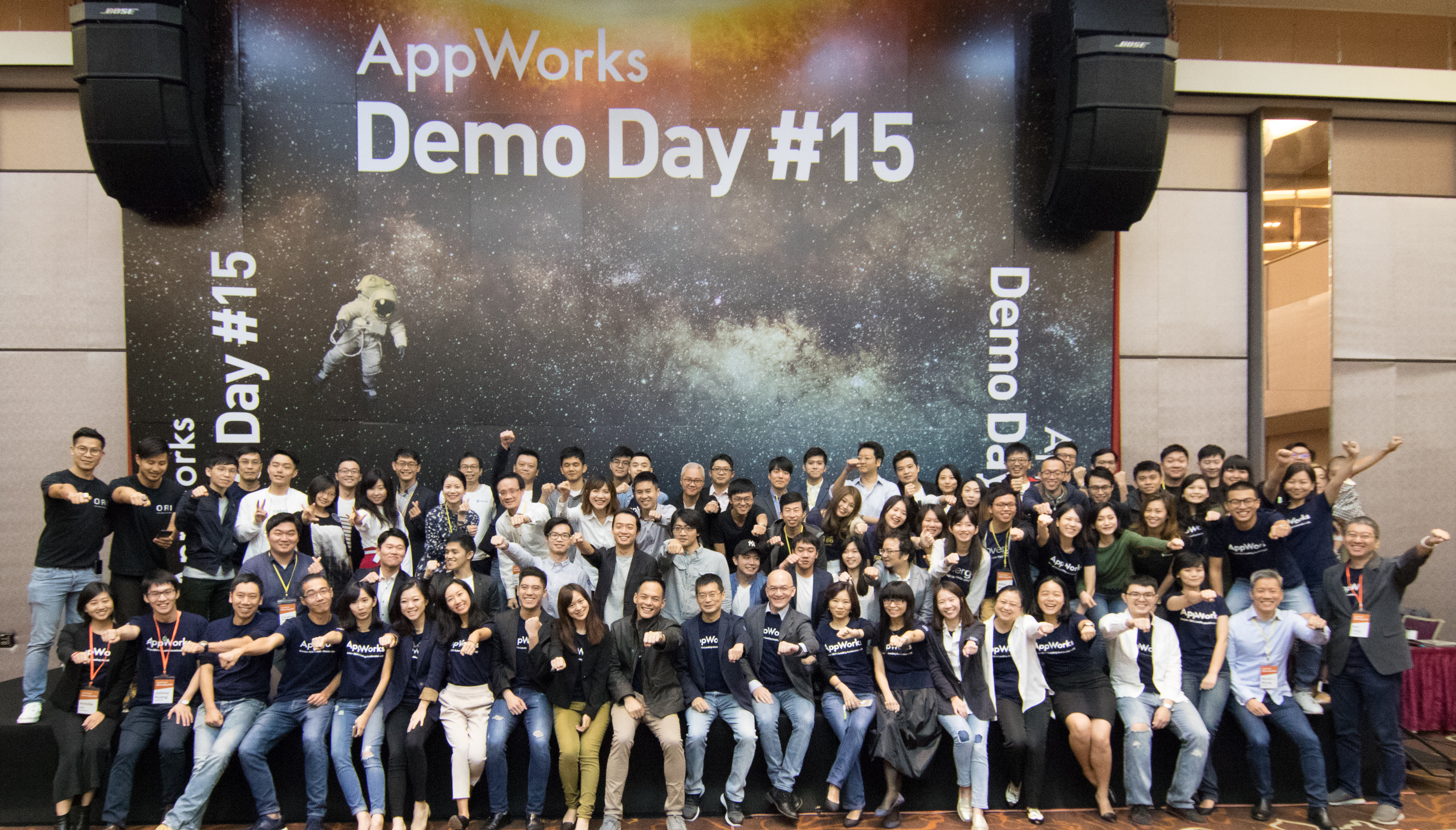
Of the 52 startups across AW#14 and AW#15 that graduated from AppWorks Accelerator in 2017, more than half of the combined cohort actually originated from countries outside of Taiwan, namely Singapore, Malaysia, Hong Kong, and Korea, while 25% comprised of female co-founders. These two figures truly highlight just how far we’ve come since AW#1 in expanding the diversity of our community, in terms of both perspectives and demographics. And if the CEOs of the world’s leading tech companies today serve as any indication, diversity is a core underlying asset that can most certainly serve as a great driver of innovation.

With the addition of 52 AW#14 and AW#15 startups, our community has scaled to a stage like never seen before. The AppWorks Ecosystem now counts 323 active alumni startups and 780 founders in its network. These AppWorks startups are generating US$ 1.3B in total revenues, growing at 65% year-over-year, and have created 5,696 jobs, increasing by 53% from the prior year. They have raised US$ 432M from both AppWorks Funds and third-party investors, up 57% from last year, and together exhibit a composite valuation of US$ 1.6B, roughly a 75% uptick over the last 12 months. In other words, 2017 marks the year that The AppWorks Ecosystem has finally crossed the valuation mark of a unicorn.

Meanwhile, AppWorks Funds made 8 investments in several promising startups including Shopback, Umbo CV, Morning Shop, EMQ, ReCactus, and Intowow, while helping them raise a total of US$ 99.4M across these rounds. Moving forward, however, we’re anticipating many startups to encounter a US$ 5 – 15M gap in Series-A and Series-B financing spanning the next 12 months. This is in part why we’ve raised our 3rd fund of US$ 100M to help startups bridge the proverbial valley of death and clear the way for future growth.
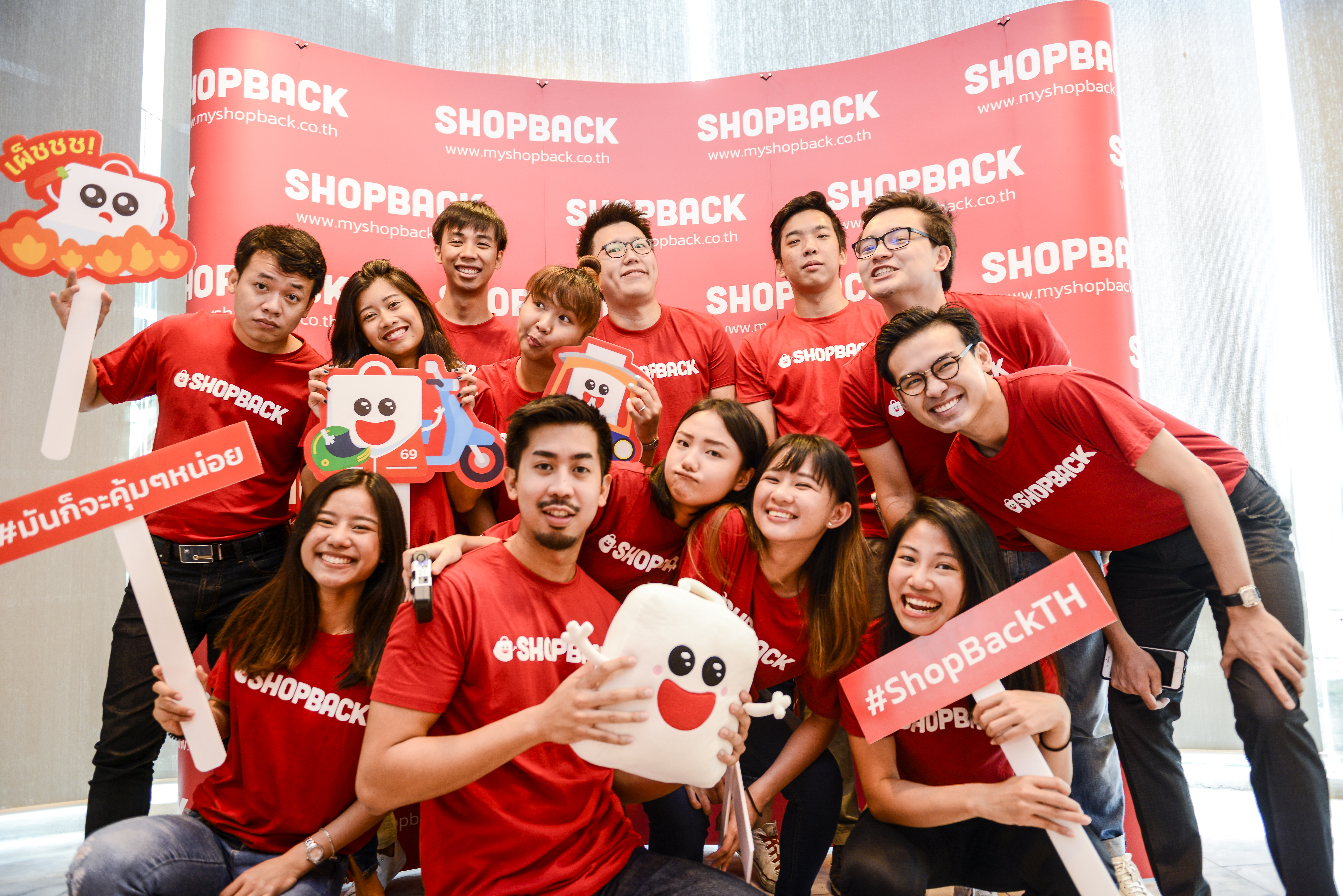
ShopBack (AW#13), based in Singapore, has expanded  to Malaysia, Thailand, Philippines, Indonesia, Taiwan.

As value-added mentors, partners, and investors, we’ve directed a lot of our time and resources in enabling more GSEA startups to enter key markets such as Taiwan and Indonesia, while helping them harness Taiwan’s formidable supply of talent and set up R&D teams here in Taipei.

True to these efforts, AppWorks Landing Pod was launched late last year and designed to help founders / CEOs of fast-growing tech startups immerse themselves in local ecosystems across GSEA to best prepare for formal expansion. The first iteration of this 3-week immersive program was initiated this past November in Indonesia, where we see emerging opportunities across the country’s expansive and rapidly growing online economy.

That being said, shortages of quality talent still remains one of the foremost challenges that growing tech companies face today. AppWorks School was started 18 months ago as a separate channel to build a more fortified pipeline of skilled labor and help our community meet the technical demands of tomorrow.
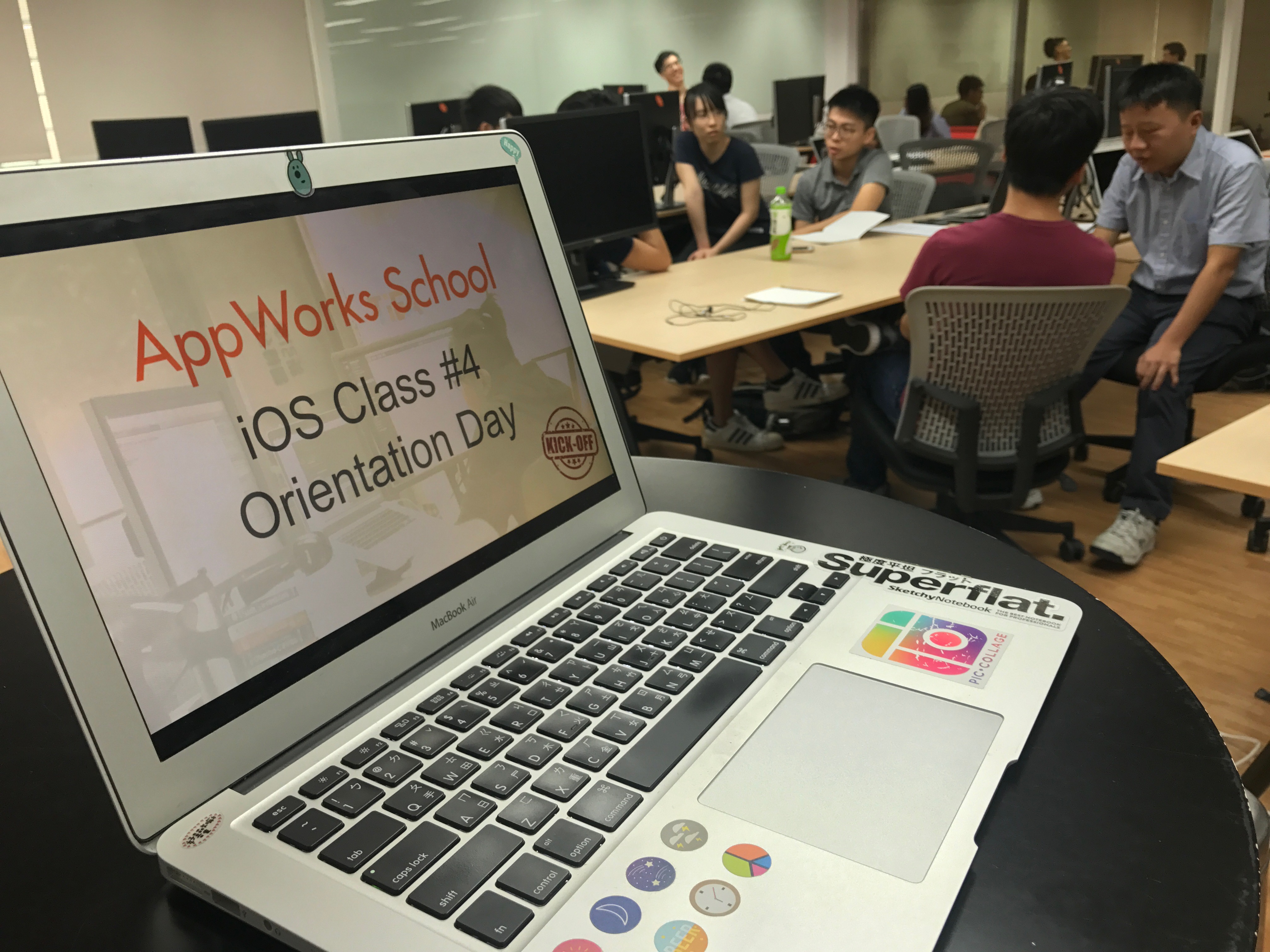
iOS Class #4 Orientation

We’ve now managed to graduate 49 newly trained developers through our 14-week free coding program, which offers both iOS and Android tracks. 80% of these graduates went on to pursue successful software engineering careers in prominent Internet companies such as Pubgame, 91APP, and Bahamut with an average annual salary of US$ 20,400.

Spanning all pillars of our platform, AppWorks closes out the year with a special acknowledgement to its team in all they’ve done to empower founders and elevate the startup ecosystem all across Greater Southeast Asia, while setting its sights on even greater horizons in 2018.

For highlights of all the initiatives and achievements that sought to reinforce our community across the region in 2017, visit AppWorks’ Year in Review 2017.

 

如何打造良好投資人關係,共創雙方最大利益

TP Lin, Associate (林子樸 / 經理)
負責投資。七年光電產業經驗,為隆達電子創廠員工之一,見證公司成立、併購與上市,過程中經歷產品研發工程師、研發主管、專案管理等不同職務歷練。在 AppWorks 負責協助軟硬整合新創團隊,充分運用台灣與中國的硬體製造能力。台灣大學物理學士、光電碩士。

前一陣子,Uber 的新聞鬧得沸沸揚揚,早期投資人一口氣把創辦人告上法庭。照理來說,投資人應該和創辦人站在一起,共同為公司努力,但我們卻時不時就會聽到投資人與創辦人鬧翻、對未來方向不一致、產生路線之爭,甚至不惜對簿公堂,讓人覺得有些可惜。

如何經營出好的投資人關係,是每個新創團隊在接受投資後的必修課題。這兩年,我手上處理過幾個不同類型、不同規模的投資案,也曾輔導團隊進行募資,在此,就與大家分享我的觀察和心得。

投資人關係 IR (Investor Relations) 和所有關係一樣,最重要的是從一開始就要找到對的人,這跟選擇一個對的創業夥伴一樣重要。好的投資人除了要能提供新創團隊該階段成長需要的資本,對創業的過程與產業也要有相當的了解,在團隊努力往前時,他們要能適時提供協助和建議,進而引進關鍵資源。相對的,團隊也絕對不能因為急需對方的金錢挹注,而忽略彼此的目標、價值觀,以及對產業發展的看法是否契合。所以,當有團隊針對募資前來諮詢時,我都會建議他們,除了投資人選擇要不要投資你們,你們也應該好好思考要不要讓這個投資人入股。

先合作再投資

但究竟要如何判斷對方是不是一個好的投資人?我建議不妨先「約會」看看。可以先和對方合作一陣子,看他會針對你的業務給出什麼樣的建議,是否能幫你介紹你需要的資源,其次,也可以試著接觸對方投資的公司,和那些公司聊聊他們被投資後的經驗,看你的投資人如何與他投資的公司一起努力。一個合格的投資人必須公開他的投資戶清單,也應該很願意幫你介紹他投資過的公司。

而一旦接受投資,大家首先要有一個觀念,那就是往後你的公司將不再只是創辦人所有,你之前約會許久的潛在投資人已經跟你上了同一條船,且身份也轉換成股東,這時,身為創辦人的你首先必須認清經營權不等於所有權。

一如共同創辦人、上下游廠商等創業過程中的其他關係,投資人和被投資人之間的信任非常重要,因為有了信任基礎,你們才能一起做出可以幫助公司發展的決定。當然,這信任關係並非一朝一夕可以建立,它需要一點時間,在建立信任關係的過程中,你必須 keep your investor in the loop,盡可能讓投資人了解公司目前的狀況,包括公司的主要政策、業務走向,如此一來,投資人才有辦法對你的公司提供建設性的意見和援助。

千萬不要踩地雷

創業者必須和投資人相互了解,積極建立良好的信任關係,但相對的,有些事是大家千萬要避免的:
一. 違反合約
合約中記載了許多投資人與被投資人的重要權利與義務,某些事項,如股權增減、公司的重大決策等,都需要經過董事會同意,有些則是需要股東同意,甚至要有一定比例的投資人同意才行。因此,公司在執行某些決議之前,必須先仔細確認是否需要經過這些程序。

二. 隱藏壞消息
業績和公司狀況的浮動對大部分新創公司來說都是家常便飯,但很多 CEO 擔心投資人知道這些狀況後,會留下不好的印象,總想著等業積改善再向對方報告,然後一拖再拖,以致錯失調整的機會,陷入無法收拾的窘境。

三、提供捏造的財報等不實資訊
有時,投資人為了隱藏壞消息,還會提供不實資訊,比如說「已經和某某大客戶簽約了」、「誰誰誰已經要投資了」……,甚至捏造不實的數字,如財報、管理報表。這樣的事情一旦被發現,往往會對彼此的信任關係造成極大傷害。

四. 預料之外的危機
當公司出現重大危機時,不管是公關或是財務方面,都要主動聯絡投資人、告知狀況,並說明當下的處理方式與計畫,循求投資人的協助,千萬不要讓投資人經過第三者,甚至是從媒體上得知。

五、錢快燒完了才急著跟股東要錢
完成募資後,創業者應該馬上想到下一輪募資,同時也必須思考,該利用手上這筆資金達到什麼樣的里程碑,讓公司在用什麼樣的狀態、於什麼樣的時間點再度進行募資。創業團隊應該善加掌握公司的現金流,了解公司的現金還可支撐多久,千萬不要某天突然發覺公司下個月就會產生資金缺口,才急忙向舊股東請求支援。

促進彼此信任,一起努力向前

接受投資後,除了資金的援助,創業者往往也會需要投資人針對其業務給予有效建議;相對的,一個好的投資人,當然也會想助創業者一臂之力,讓團隊的業績蒸蒸日上。在這個前提下,創業者可以多做兩件事來促進彼此的瞭解和信任,提升投資的整體效益。
一、寄送月報 (或週報)
至少每月固定發一封 email 給投資人,報告公司現況,信件中可以包含以下資訊:
關鍵績效指標 / 管理報表:簡單來說,就是幾個關鍵數字的更新,例如:日活躍用戶 DAU / 月活躍用戶 MAU / 每用戶平均貢獻 ARPU 等公司營運領先的指標。
財務數字:包括營業額、毛利、毛利率、稅前淨利等重要財務數字,以及與上月及去年同期的比較。很重要的一點是現金的狀況,如果公司還在虧損狀態,則必須算出距離現金用完還有多久時間。
產品開發狀況:產品是公司成長最重要的動能,因此,不妨仔細說明目前公司產品開發的狀況如何、是否能準時推出、預期的影響會是什麼。
團隊狀況: 團隊是否有人事異動,對公司又會造成什麼影響。
媒體露出:近期的媒體露出,不管是好消息或是壞消息都應該告知。
請求協助 Call to Action:最重要的一點是,可以請投資人提供團隊需要的協助,如介紹通路、合作夥伴、人才,幫忙推廣產品、提供意見。你越積極請投資人幫忙,就越能讓投資人了解你對未來的規劃,讓雙方攜手向前。

二、定期會議
除了報告公司狀況的 email ,也需定期與投資人開會,如董事會、策略會議等,這些會議的目的是一起討論公司未來的方向與策略。建議早期團隊召開董事會的頻率不要低於一季一次,若能召開月會勢必更有幫助。而會議的重點,除了更新 email 中的事項,一定要預留時間,和投資人溝通並討論公司接下來要面臨的重大挑戰為何,並且說明為了因應挑戰,必須做那些重要決定,請投資人提供建議,讓彼此達成共識。

若事前缺乏規劃,會議很容易流於型式,雖然講了很多事,卻沒有重點。以下是開會的時間安排建議,大家可以參考一下,看看怎麼做才能充份利用時間。
10 mins              CEO 從宏觀的角度簡述公司目前的狀況,並提出未來的發展重點與挑戰
40 – 60 mins    公司的各項表現,從數字面更新公司與產品狀況
15 mins             公司組織與人員異動
30 – 60 mins    針對公司下一季的目標與策略進行討論

選對夥伴,創造共同利益

除了開發商品、建立可獲利商業模式,創業者還有一個很重要的工作,那就是選擇對的夥伴,除了共同創辦人、員工、客戶、供應商,當然還包括投資人。當對的人都上船後,則要開始思考如何培養共識和默契,創造大家的共同利益,讓所有人都一起為這個價值努力。

想瞭解更多創業相關知識,歡迎追蹤 AppWorks Fan Page。

Why more and more startups are targeting Greater Southeast Asia

Jun Wakabayashi, Analyst (若林純 / 分析師)

Jun is an Analyst covering both AppWorks Accelerator and Greater Southeast Asia. Born and bred in America, Jun brings a wealth of international experience to AppWorks. He spent the last several years before joining AppWorks working for Focus Reports, where he conducted sector-based market research and interviewed high-level government leaders and industry executives across the globe. He’s now lived in 7 countries outside US and Taiwan, while traveling to upwards of 50 for leisure, collectively highlighting his unique propensity for cross-cultural immersion and international business. Jun received his Bachelors in Finance from New York University’s Stern School of Business.

Within the realm of tech startups, Southeast Asia has certainly elicited no shortage of investor interest and cash-strapped entrepreneurs chasing the unicorn dream—and rightly so. The region is home to the world’s third largest base of Internet users, with a fast-growing online economy now set to exceed US$ 200 billion by 2025, according to an updated report co-authored by Google and Singapore’s sovereign wealth fund Temasek. With 3.8 million new users coming online each month, market opportunities are increasingly ripe for the taking across these frontier markets that are just now coming to terms with rising affluence, consumer sophistication, and widespread digital penetration.

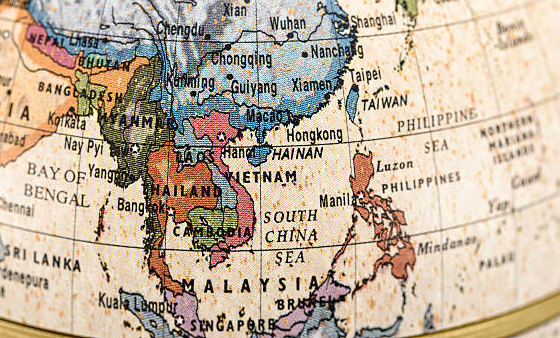
As a region, Southeast Asia has become a ubiquitous classification that is generally understood to encompass the 10 nations under ASEAN, with a primary focus on the six largest markets of Indonesia, Philippines, Singapore, Malaysia, Thailand, and Vietnam. But what if you, perhaps quite sensibly, lumped Taiwan into the mix? So enters Greater Southeast Asia.


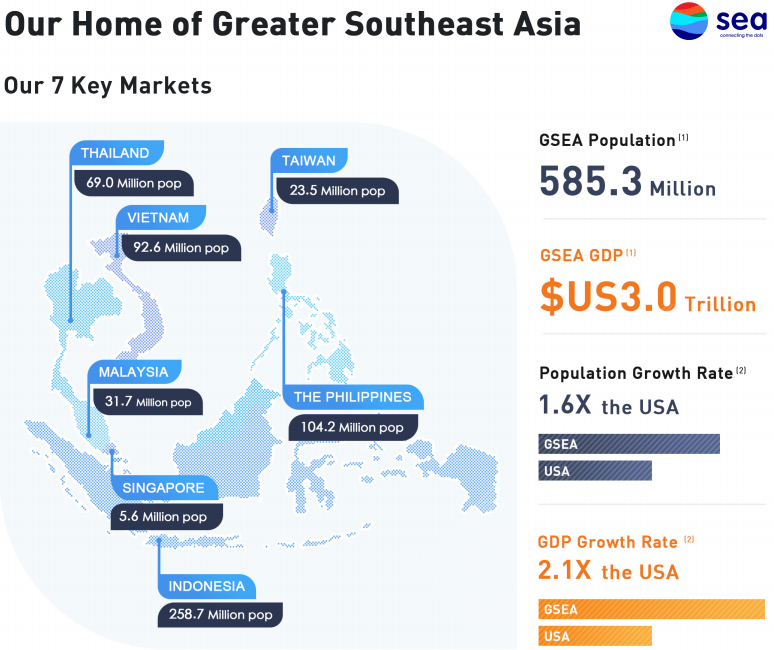
Source: sea

Simply put, Greater Southeast Asia (GSEA) is Taiwan + Southeast Asia. The term was most recently popularized by Singapore-based internet and gaming company Sea in their recent IPO filing on the NYSE. In the group’s prospectus summary, GSEA is characterized as “one of the world’s fastest growing regions in terms of per capita GDP and at the early stages of internet penetration,” with “markets [becoming] increasingly interdependent, particularly for internet business models.”

It’s a rather colorful illustration that has long been applied to the formative grouping of 10 ASEAN nations. And given that 90 percent of Sea’s revenues is largely derived from its Garena gaming business, there’s a stark possibility that Taiwan was merely roped in for its regional dominance in online gaming.

However, a closer side-by-side comparison reveals a market that can not only hold its own when it comes to economic clout and technical ingenuity, but also serve as a guiding beacon for its more emerging brethren in the region that have only recently begun fully embracing the digital age.

A Diamond in the Rough

By and large, Southeast Asia’s startup landscape is still in its infancy, particularly when stacked up against mature markets such as US and Europe or even China where unicorns are comparatively abundant. To date, only 10 startups have crossed the coveted billion-dollar valuation threshold, with an average age of 6.5 years running across the board.

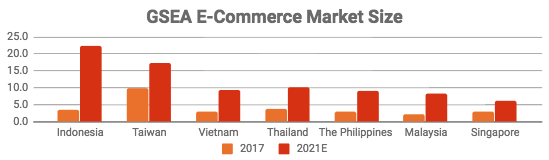
Unbeknownst to most, there is actually one unicorn to have come out of Taiwan’s stable—online English learning service TutorABC, which was established in 2004. That being said, Taiwan’s internet sector extends much further, with the earliest instance of e-commerce dating back to the late 90s when local online shopping champion PChome was founded. That means Taiwanese citizens have been purchasing on the web for the better part of two decades. It should therefore come as no surprise that the percentage of residents who shop online in Taiwan is surpassed only by the US and UK. Coupled with smartphone penetration reaching upwards of 75.8%—the 2nd highest in the world—this little island has actually given way to the largest e-commerce market in Greater Southeast Asia, for now at least.


Source: Frost & Sullivan

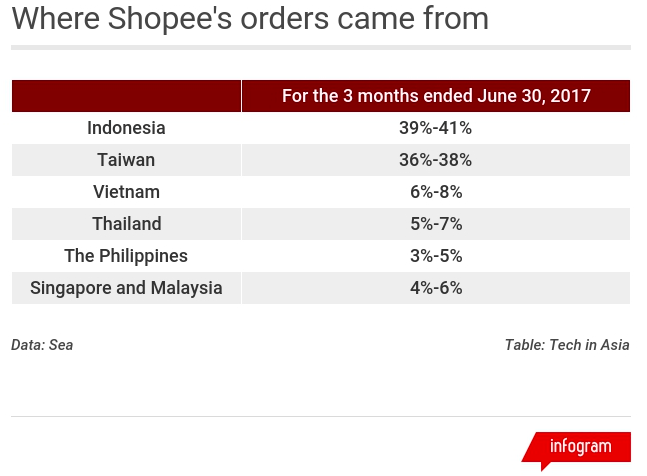
Aside from a few other challengers such as Momo, Taobao, and Yahoo!, PChome’s dominance over the domestic market had been left more or less uncontested since its establishment—that is until Singapore-based Shopee (Sea’s e-commerce arm) entered Taiwan in 2015. By adopting a mobile-first strategy, Shopee truly hit home with the nation’s digitally savvy and cyber-hungry population. Monthly orders grew rapidly to roughly 5.8 million per month, effectively usurping PChome as the market leader and contributing more than a third of the group’s total orders by Q2 2017.


Naturally, more and more foreign players have caught wind of the latent opportunities in Taiwan’s internet and mobile economy that are evidently up for grabs, despite its maturity. Southeast Asian startups such as Carousell, Shopback, and Honestbee have increasingly prioritized Taiwan along their regional conquests, a trend that’s likely to continue moving forward.

Startup Sanctuary

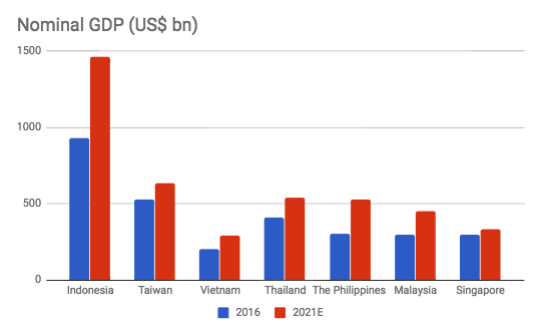
With only a population of 23.5 million people, Taiwan actually boasts the second largest economy in terms of nominal GDP when stacked against ASEAN countries. The country also displays—albeit unofficially—a human development index of .882, superceded only by Singapore in the GSEA region, while also scoring highly on most international rankings including global competitiveness, ease of doing business, and most notably innovation; According to Bloomberg’s Global Innovation Survey in 2014, Taiwan was cited to have the highest number of patents per population, and per R&D expenditure in the world.


Source: IMF

While unable to keep pace with the lucrative growth rates of an Indonesia or Philippines, Taiwan offers several fundamental factors conducive for bootstrapping and developing startups. Not only are the living costs a third of what you might find in Singapore, but the availability of technical talent far exceeds the rest of GSEA–perhaps best validated by Google’s US$ 1.1 billion acquihire of HTC’s smartphone assets, reportedly consisting of 2,000 engineering and design talent.

Currently, Taiwan boasts roughly 8,000 software engineering graduates per year, with average annual salaries hovering around US$ 20,400, compared to approximately 4,400 graduates and US$ 35,000 respectively in Singapore.

This is on top of the roughly 25,000 electrical engineers the country’s academic system churns out every year, truly speaking to the country’s longstanding heritage of semiconductor and hardware manufacturing. This grants aspiring innovators a unique opportunity to capitalize on the trending intersection of hardware and software, especially when it comes to IoT, smart city, and Industry 4.0.

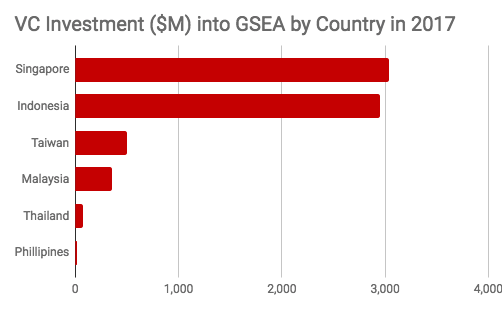
From a VC funding perspective, although visibly minimized by Singapore and Indonesia, Taiwan still manages to come in a resilient third. And if we back out the billions of dollars raised by the region’s handful of unicorns, namely Grab of Singapore and Go-Jek of Indonesia, you realize Taiwan is just as good a place for an early-stage startup to raise money as those 2 countries.


Source: CB Insights, Taiwan Startup Stadium

Certainly recognizing its limitations as an end-all, be-all type market, Taiwan’s government has been pushing for a more future-ready environment that fosters and embraces innovation, rather than stifles it. Whether it’s establishing a regulatory sandbox, launching a dedicated AI research lab, unveiling a US$ 333 million national VC fund, or even just loosening its borders for foreign talent, it’s clear that Taiwan is keen on cultivating an ecosystem that can attract and enable startups from all over the region to keep up with the evolutionary pace of technology.

Redefining Old Cliques

2017 marked the 50th anniversary of ASEAN, a collective club of chaotic and sprawling settlements, historically only seen in the underbelly of neighboring behemoths China and India, until recent times that is. Open up the front page of Tech in Asia or e27 and you’re bound to come across the latest high-flying valuations of Southeast Asian tech startups disrupting traditional industries.

For Taiwan, though, the last 50 years have largely operated under the impetus of “Greater China.” While this term is not an official political classification, it infers an dependent type of relationship that has long confined Taiwan and its economic future to forces outside of its own control.

Taiwan’s “New Southbound Policy,” short of formally joining the intergovernmental organization, strives to align the island nation with ASEAN countries. Specifically, it fittingly contextualizes the country’s technical brawn, mature digital economy, and longstanding penchant towards innovation as the beating heart of a region currently bursting with opportunities.

If you’re a startup in the region looking to capture both scale and monetization, both growth and margin, and to build both local operations and a regional R&D hub, then expanding your scope to include both SEA + Taiwan hence, Greater Southeast Asia, is increasingly looking like an avenue that you can’t afford to miss.

For more information on how ambitious entrepreneurs across Greater Southeast Asia can leverage AppWorks Accelerator to capitalize on the region’s digital awakening, visit our website.

GSEA’s Cashback King Enters Taiwan

螢幕快照 2017-12-05 下午5.46.51

Jun Wakabayashi, Analyst (若林純 / 分析師)

Jun Wakabayashi is an Analyst covering Greater Southeast Asia. Born and bred in America, Jun brings a wealth of international experience to AppWorks. He spent the last several years working for Focus Reports, conducting sector-based market research and interviewing high-level government leaders and industry executives across the globe. He’s now lived in 7 countries outside US and Taiwan, while traveling to upwards of 50 for leisure, collectively highlighting his unique propensity for cross-cultural immersion and international business. Jun received his bachelors in finance from New York University’s Stern School of Business.

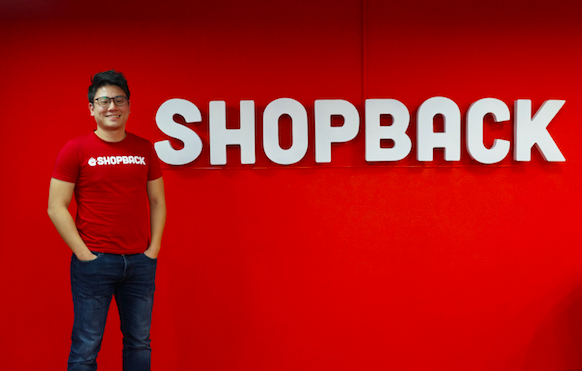
The co-founder of Singapore-based ShopBack, Joel Leong shares his experience in translating the cashback model to Taiwan and highlights the pivotal role that AppWorks Accelerator played in facilitating their market entry.

Cash is King

Who wouldn’t want free money…is exactly the premise that prompted Joel Leong and his co-founders to establish ShopBack in 2014. Fast forward 3 years, the Singapore-based startup has now become the largest cashback provider in Greater Southeast Asia (GSEA). Avid online shoppers are able to unlock tantalizing discounts and lucrative cashback rewards by simply accessing ShopBack’s app and online portal and browsing through any one of the company’s over 1,300 merchant partners spanning electronics, fashion, travel, among many other verticals. If a purchase is made, then ShopBack is paid a commission, which ultimately gets shared with the consumer in the form of cashback. This symbiotic relationship is what has allowed the company to recently nab a hefty US$ 25 million new round of financing, while accelerating its regional conquest across 6 countries in GSEA, including in the last year Taiwan.

While Taiwan is at times outshined by the notoriety of its emerging brethren in the region, it still punches well above its weight when it comes to e-commerce, and lacks no shortage of market opportunities for the taking. “If you really look at the data you find that GMV from Taiwan’s e-commerce alone [US$ 30 billion a year] actually beats all of Southeast Asia combined,” reveals Leong. “Of course, I recognize in the next few years that it’s going to change, but for now what we see is a huge market with potential.”

In Taiwan, merchants are much more privy to affiliate marketing due to surging rates charged by Facebook—the country’s dominant online advertising channel—and a developed online retail economy where e-commerce essentially serves as a way of life. That being said, foreign companies like ShopBack still face an upward battle, particularly when navigating an unfamiliar environment and cold courting local online retail partners. Joining AppWorks Accelerator #13 was ShopBack’s way of effectively tipping the scale in their favor.

A Successful Marriage

Having already graduated 15 batches of 323 startups and 780 founders, AppWorks has amassed the largest active alumni base of any accelerator in the region. Consequently, AppWorks has grown into vital platform for aspiring Internet entrepreneurs, specifically in its home market of Taiwan where it has forged linkages with most of the top-tier Internet companies such as PChome, GOMAJI, and momo, each commanding fierce customer loyalty among locals.

Through a revolving cycle of mentorship, networking, and training during its 6-month program, AppWorks Accelerator pushes its teams to “fail fast, learn fast, and iterate faster,” minimizing non-value adding blunders and shortcutting the time that they would otherwise spend knocking on doors one-by-one.

And like every couple joined in holy matrimony, the relationship has gradually evolved over time. “When we came here we just wanted to be part of the accelerator, have that sort of credibility, and at the same time grow our team,” recounts Leong. “But then it has gone on to some crucial mentorships, invaluable connections, and now with the help of AppWorks we’re trying to localize our site even more by trying to build another technical hub here and hiring Taiwanese coders to help us make our site more palatable for the Taiwanese market.”

The same guidance that has proved instrumental to ShopBack’s landing in Taiwan is exactly the type of support that they’ve passed on to Taiwanese startups such as KKday or TokiChoi who are currently expanding across GSEA. This cross-border “pay-it-forward” mentality is what has enabled such a powerful, tight-knit community among AppWorks startups.

Southbound Horizons

When stacked up against countries such as Thailand or Indonesia where their sizable markets alone are large enough to support startups’ growth and justify an all-out campaign solely focused on winning home turf, Taiwan is not always at the top of the agenda for regional expansion. However, according to ShopBack’s co-founder, where Taiwan might fall short in brawn, it makes up in brains.

“Taiwan is ahead in terms of technical talent—there’s no debate about that. Harnessing Taiwan’s rich reservoir of human capital might be very beneficial to Southeast Asian startups, especially those at the growth stage,” emphasizes Leong.

Under the government’s new ASEAN facing initiatives (dubbed “New Southbound Policy”), Taiwan will direct more effort on promoting and anchoring its economic clout among ASEAN nations. Taipei City, for example, has created the “Southeast Asia Startup Star” program that aims to attract all unicorns and centaurs in the region to setup tech teams and R&D centers.

Naturally, as Taiwan strengthens its ties in the region, a larger pool of startups will begin to realize that there’s plenty of room to play in Taiwan. “Some startups such as Shopee, Carousell, and Honestbee—the early adopters—have already done that. Those are good starts. Overtime more will surely follow suit, eventually creating a seamless bridge between both sides of the strait,” Leong envisions.

Calling all growing startups across Greater Southeast Asia, visit AppWorks Accelerator for more details on how we can help facilitate your market entry in Taiwan.

台灣首創 Chatbot 叫車服務 TaxiGo,融合傳統運輸與現代 AI ,載著你在都市中優雅移動

螢幕快照 2017-11-21 下午1.23.53

Alyssa Chen , Analyst (陳敬旻 / 分析師)

負責 Accelerator,喜歡陪伴創業者打造出屬於自己的火箭。來自台中,加入前任職於華山文創園區,負責台灣新銳文創品牌的營運招商與媒體合作。除關注設計藝文議題,也喜愛網路新創產業的活力。曾於 AppWorks 實習一年。畢業於政大德文系、政大國際傳播所。喜歡旅遊與花草,最愛亞洲食物。

AppWorks Accelerator 自 2010 年創立至今,已培育出 15 屆、共計 323 組活躍網路新創。其中,常躍上媒體版面的,包括亞洲最大線上餐廳預訂平台 EZTABLE (AW#1)、每月業績破兩千萬台幣的垂直電商早餐吃麥片 (AW#4)、剛募完兩億台幣 A 輪融資的人工智慧安控新創 Umbo CV (AW#9) 等等。但除此之外,許多 AppWorks 校友團隊打造的創新服務,如提供線上預約清潔服務的潔客幫、國內外線上民宿訂房服務 AsiaYo、擁有 4,500 名合作司機的 TaxiGo,也早已融入大家的生活中。

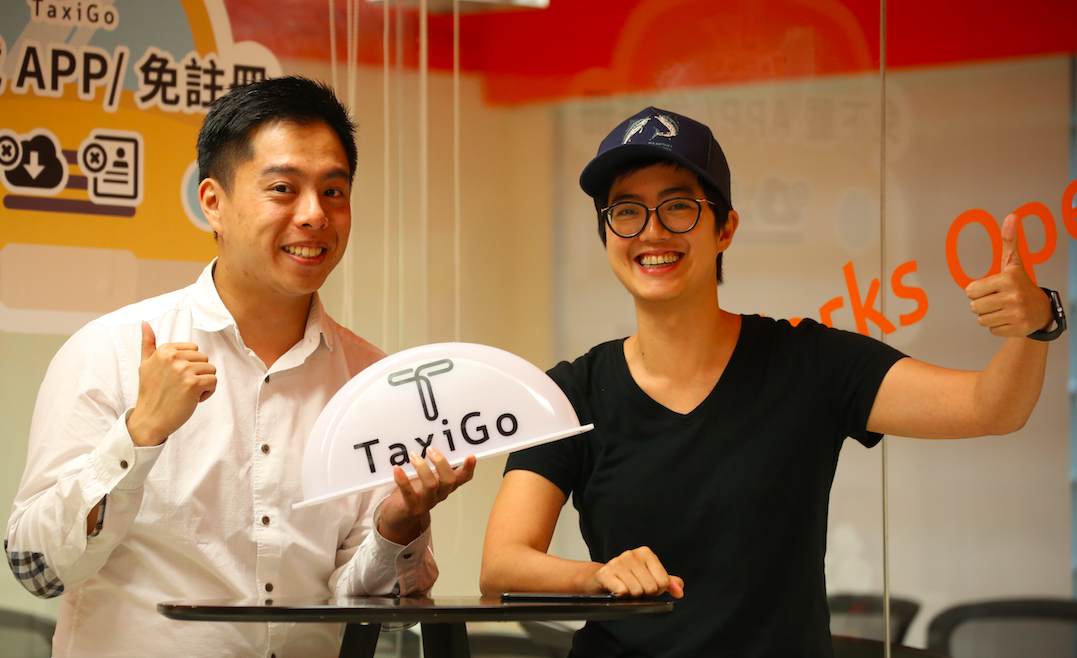
在此,就為大家介紹憑藉優異的技術及執行能力,30 天內便打造出高效率叫車服務平台的團隊 TaxiGo。兩位工程師出身的共同創辦人如何順利走過第一次創業失敗的陰影?又是如何找到新題目、順利 Pivot?

捨外商工程師金飯碗,自美來台一圓創業夢

TaxiGo 的 Co-founder 兼 CEO Kevin (陳泰成) 出身香港,原先在美 Qualcomm (高通) 擔任工程師,因 HTC 手機照相應用功能的專案,結識了被公司派美駐點的 HTC 工程師 Hayden。2015 年,就在 Kevin 打算放棄美商企業的高薪,創業追夢時,他想起了程式能力出色的 Hayden,因為兩人個性互補,一拍即合,於是決定攜手合作。

思索創業題目時,他們發現,中國的大眾點評網這個蒐集並評選全球美食資訊的網站非常受歡迎,同時,大眾的生活習慣也有些許改變,越來越多人吃飯前都會用 Instagram 打卡、與友人分享,於是,他們結合兩者,先將 Instagram 平台上的餐廳打卡資料蒐集起來,再利用數據分析,找出熱門餐廳,著手開發「Nichi」這個餐廳推薦平台,並以此加入 AppWorks #11 團隊。

進駐 AppWorks 兩週後,這支 App 就上架了。使用者可以透過 Nichi ,輕鬆找到歐、美、亞、大洋洲二十幾個城市的上千家熱門餐廳,很快就吸引到許多用戶。而正當他們要大舉開發廣告客戶時,Instagram 無預警的關閉了 API,Kevin 與 Hayden 辛苦打造的平台、好不容易累積出的用戶,一夕之間化為烏有,他們求助無門,最後只能摸摸鼻子認了,開始找尋新的創業題目。

開發一個新的服務並不容易,他們摸索了好幾個月,提出了包含算命、賣鑽石、賣威士忌等十數個點子,但最後都分別因為本身也認識不深或法令的限制而被自己一一否決,遲遲沒有更進一步的進展,這低潮甚至讓 Kevin 一度猶豫還要不要待在台灣創業。但經過一番深思,他覺得自己和 Hayden 兩人工作順暢、合作無間,Kevin 很珍惜這種默契,不想輕易放棄,於是他決定再給自己一點時間努力看看。

在這段黑暗期,已經從 AppWorks Accelerator 畢業的他們,除了每天在 AppWorks Coworking Space 和其他 AppWorks 校友一起腦力激盪,討論彼此的想法,也在很多人的鼓勵下繼續努力。

30 天打造出台版 Grab ,創造智慧叫車服務

2016 年底,因為法規問題,Uber 宣布暫停在台提供服務,且回歸遙遙無期,這讓許多 Uber 用戶急得跳腳。看到這個局勢,AppWorks 合夥人 Jamie (林之晨) 建議他們不妨試著研究叫車市場,也就在這段期間,LINE 推出了Messaging API,可以在 LINE 的對話中做 Chatbot ,這引發了兩個工程師的濃烈興趣,於是, Kevin 和 Hayden 開始著手研究結合 Chatbot 的叫車功能。

結果,他們在短短一個月內,就把一個點子轉換成 「TaxiGo」這個 App 。透過 TaxiGo ,想搭計程車的人不需要在尖峰時刻碰運氣路邊攔車、也不需要撥打語音電話等待漫長的轉接,只要打開平常使用的 LINE 或 Facebook Messenger,便可輕鬆叫車。

螢幕快照 2017-11-21 下午1.23.27
Kevin 和 Hayden 的極佳默契,大幅提升了開發產品的效率

精實的兩人團隊,絕佳的技術實力和執行力

TaxiGo 在 2016 年底上線試營運,成為第一個運用 Chatbot 技術叫車的平台。短短一個月內,便累積了第一批、約 500 名司機登記使用,也獲得眾多媒體關注。TaxiGo 團隊只有兩位成員,卻展現了驚人的執行力,他們在很短的時間內就抓住不少忠實用戶,不僅讓大家可以輕鬆快速的叫到計程車,也為計程車司機帶來更多生意,獲得雙方的正面評價。

看到市場上的反應這麼好,TaxiGo 決定開始募資,希望可以更快擴大市佔率。在 AppWorks 的媒合之下,他們成功在 2017 年 4 月獲得全鋒事業與雪豹科技投資,拿到一千萬台幣的種子基金,並於同年 7 月正式上線。

回想這短暫卻豐富的一年,Kevin 認為,最大的挑戰就是平台初創時,尋找第一批司機和用戶的過程。一個文質彬彬香港人,要面對的主要客戶卻是草根味十足的台灣車行及司機,當時,除了花很多時間在司機的 Facebook 與 LINE 社群發聲、爭取曝光,他們還跑到司機考照的地方發傳單。過程中雖然拜訪了很多計程車車行,但因 TaxiGo 只是默默無名的小平台,他們屢屢遭拒。

努力了好幾個月後,TaxiGo 終於說服了一群車行的人,他們看到 Uber 對台灣叫車市場的影響力,也認同 TaxiGo 的理念 — 希望透過科技提升這個行業的服務品質,於是,雙方決定一起合作。

18 家車行的 4,500 名司機,載你在都市叢林優雅移動

慢慢的,他們找到越來越多合作夥伴,到今年 11 月為止,已與 18 家車行合作,共有 4,500 名司機完成登錄。在服務推出即將滿一年的今天,TaxiGo 每天已可完成超過 1,000 個行程。

為了先讓司機與車行能夠愛上他們的服務,TaxoGo 初期採取免費服務,預計從明年開始向司機抽取定額服務費。相較於其他叫車平台每個月動輒數千元的系統服務費外加每單抽佣,TaxiGo 只會針對每單抽佣,而且,為了鼓勵更多用戶使用線上金流,他們的金流手續費也比其他叫車平台低了近三分之一,整個折算下來,TaxiGo 的服務費還是比其他平台便宜。明年,他們打算將 TaxiGo 推行到全台灣,並陸續針對司機和乘客提出會員優惠方案。

未來,他們則計畫更深入的應用 AI 技術,透過分析用戶的叫車習慣,近一步優化計程車司機派車與接單路線,有效減少司機與用戶雙方的等待時間。

TaxiGo 的服務之所以可以如此快速上線,Kevin 認為主要原因是在 AppWorks 所感受到的同儕壓力。因為有這股壓力,他每天敦促自己要加快產品開發的速度,也因為在 AppWorks Coworking Space 有很多校友團隊都不吝分享自己的經驗,讓他們可以更有效率的找到資源、運用資源。

問到創業三年來的心得,Kevin 想提醒同樣在創業的朋友,很多創業者都很努力,但他們的努力通常都是一味的埋頭苦幹,沒有花時間好好了解市場,結果,辛苦做出的產品未必能符合用戶的需求。為了避免這個問題,他建議大家先用最短的時間把東西做出來測試市場,並快速修正,這才是初創業者在資源有限時的最佳對策。

如果你想和 Kevin 與 Hayden 一樣,在死亡低谷、有知悲觀中苦思點子時,能有許多經歷過類似過程的創業者幫你打氣,在關鍵時間點,能有人提醒你好的 Pivot 機會,在募資時,能有人幫你媒合投資人,歡迎你加入 AppWorks。AppWorks Accelerator #16 申請開放至 11/20,請把握時間。